







What's Happening?
The U.S. dollar remained on the defensive as markets reacted to potential de-escalation in the Iran-U.S. conflict. Iran is reviewing a U.S. peace proposal that could formally end the war, though key issues like Iran's nuclear program and the reopening
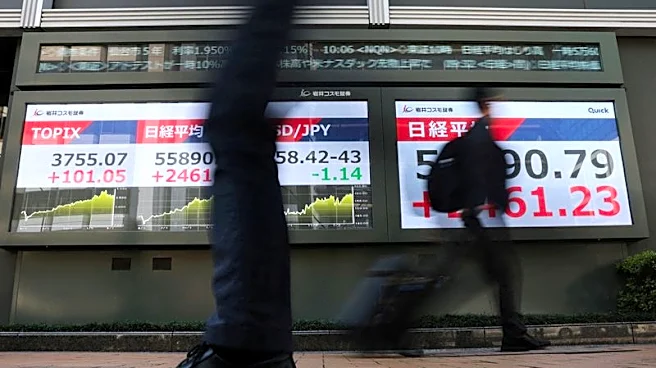
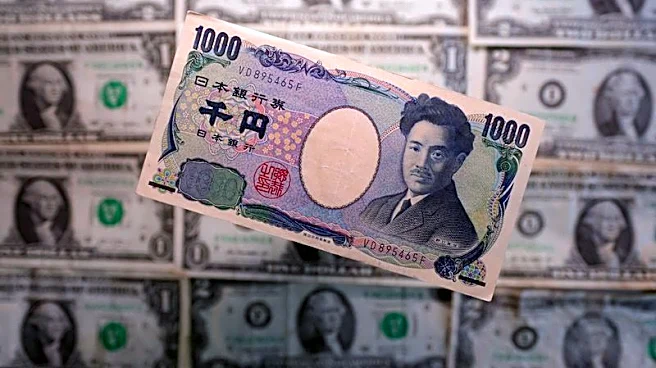
of the Strait of Hormuz remain unresolved. The possibility of peace has supported oil-exposed currencies and eased inflationary fears, leading to a pullback in Treasury yields. The dollar index fell to 97.950, down from last week's high of 99.092. The yen also gained strength amid speculation of Japanese intervention in the currency market.
Why It's Important?
The potential resolution of the Iran-U.S. conflict could have significant implications for global oil markets and geopolitical stability. A peace agreement might lead to the reopening of the Strait of Hormuz, a critical chokepoint for global oil shipments, which could stabilize oil prices and reduce inflationary pressures. The dollar's weakness reflects market optimism about a peaceful resolution, which could impact U.S. monetary policy and interest rates. The situation also highlights the interconnectedness of global markets, where geopolitical developments can influence currency values and economic forecasts.
What's Next?
The outcome of the U.S. peace proposal with Iran will be closely watched by global markets. If an agreement is reached, it could lead to a stabilization of oil prices and a reassessment of inflation risks. However, unresolved issues like Iran's nuclear program could complicate negotiations. The U.S. and Japan are expected to discuss currency interventions, which could influence future market dynamics. Investors will monitor these developments to gauge their impact on global economic stability and currency markets.