






What's Happening?
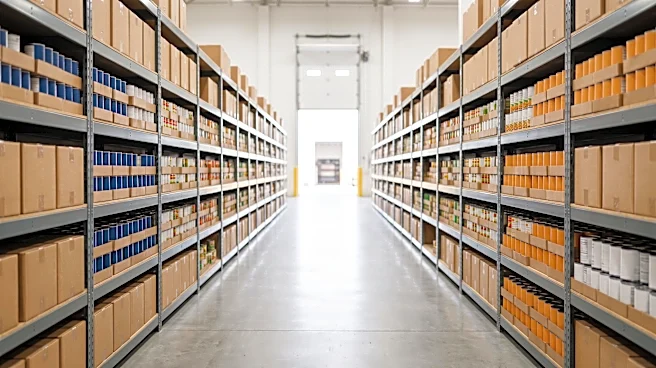
The Indiana Department of Administration (IDOA) operates a State Surplus Warehouse in Indianapolis, where it manages and redistributes unwanted state property. This initiative aims to save taxpayer money and generate revenue through sales. The warehouse
stores a wide array of items, from office furniture and electronics to confiscated airport items and law enforcement equipment. State surplus Director Marshall Tullos likens the operation to a 'Fred Sanford' enterprise, emphasizing the resale value in nearly everything. In the past three years, IDOA has saved Hoosier taxpayers an estimated $571,000 by redistributing property to other agencies and local governments. Additionally, the state has raised nearly $2 million in revenue through public auctions of surplus items on govdeals.com, with an average sale price of $252 per item. The warehouse also facilitates the redistribution of surplus military vehicles and ammunition from the U.S. Department of Defense to over 150 Indiana law enforcement agencies, saving them an estimated $4 million over the last three years. The facility is well-organized, ensuring efficient processing and sale of items, with most auctioned goods selling within three weeks.
Why It's Important?
The IDOA's State Surplus Warehouse plays a crucial role in fiscal responsibility and resource management within Indiana. By efficiently repurposing and selling state-owned assets, the program directly contributes to taxpayer savings and generates additional revenue for the state. This model reduces waste by extending the lifecycle of various goods, from office supplies to specialized equipment, preventing them from being prematurely discarded. The redistribution of law enforcement equipment, including military surplus, is particularly significant as it allows local agencies to acquire necessary tools at no or reduced cost, enhancing public safety capabilities without burdening local budgets. This approach demonstrates a practical application of circular economy principles within government operations, highlighting how surplus management can be a valuable asset rather than just a logistical challenge. The success of this program could serve as a model for other states looking to optimize their asset management and reduce operational costs.
What's Next?
The Indiana Department of Administration will likely continue its current operations, focusing on efficient inventory management and maximizing revenue through public auctions and inter-agency redistribution. Given the success in generating nearly $2 million in revenue and saving millions for taxpayers and law enforcement agencies, the program is expected to maintain its strategic importance. Future efforts might include exploring new avenues for selling specialized surplus items or expanding partnerships with recycling and resale businesses to further reduce waste. The IDOA may also look into enhancing its online auction presence to reach a broader base of potential buyers, thereby increasing competitive bidding and revenue. Continued collaboration with the U.S. Department of Defense for military surplus redistribution will remain a key component, ensuring Indiana's law enforcement agencies benefit from federal programs. The program's ongoing success will depend on consistent public engagement and effective marketing of available surplus items.
Beyond the Headlines
Beyond the immediate financial benefits, the Indiana State Surplus Warehouse embodies a broader philosophy of sustainability and resourcefulness within government. It challenges the perception of 'junk' by demonstrating that almost every item has residual value, either for reuse, repurposing, or recycling. This operational model fosters a culture of efficiency and accountability, encouraging state agencies to view their assets as valuable resources rather than disposable commodities. The program also highlights the often-overlooked logistical complexities of managing a large state's material assets, from tracking inventory to coordinating sales and redistribution. Ethically, it promotes responsible stewardship of public property, ensuring that taxpayer-funded items are utilized to their fullest extent. Culturally, it reinforces the idea that waste reduction and resource optimization are not just private sector concerns but essential components of effective public administration, setting a precedent for how governments can operate more sustainably and economically.