






What's Happening?
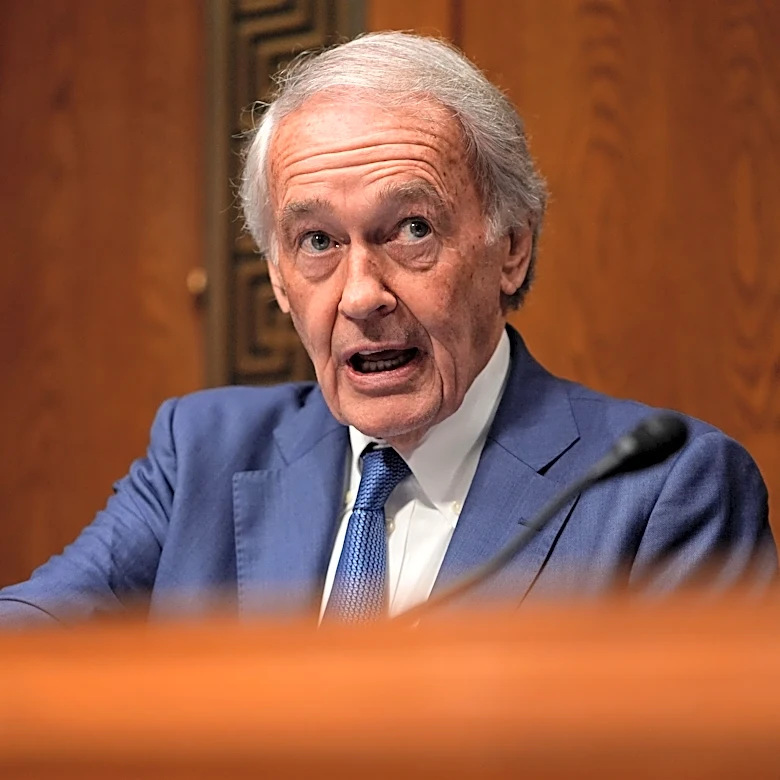
Senator Sheldon Whitehouse (D-RI) has stated his intention to launch an investigation into the Supreme Court if Democrats secure a majority in the Senate and he becomes Chairman of the Judiciary Committee. Whitehouse, along with Representative Jamie Raskin
(D-MD), the top Democrat on the House Judiciary Committee, are reportedly already coordinating monthly to plan a two-chamber investigative operation targeting the Court. Whitehouse expressed a desire to investigate how the Court was 'captured by a bunch of creepy right-wing billionaires' and specifically questioned whether Justice Clarence Thomas paid taxes on a quarter-million-dollar loan forgiveness for a motor coach. He also advocates for a 'proper ethics program' with real fact-finding powers for the Supreme Court, moving beyond what he describes as a 'toothless self-policing arrangement,' and supports 'retroactive term limits' for justices. These statements were made while campaigning for Josh Turek, the Democratic nominee for an open Senate seat in Iowa, a race Whitehouse views as crucial for Democrats to gain a 51-seat majority.
Why It's Important?
Senator Whitehouse's threat to investigate the Supreme Court underscores a growing partisan divide and distrust in the judiciary, particularly from the Democratic side. This move could significantly impact the balance of power between the legislative and judicial branches, potentially leading to unprecedented scrutiny of the Supreme Court's operations and individual justices. The proposed investigations and calls for ethics reform and term limits reflect a broader concern among some Democrats about the Court's increasing political influence and perceived ideological rulings. If such investigations proceed, they could erode public confidence in the Court's impartiality, regardless of their findings. Furthermore, the focus on 'dark money' and external influences on the Court highlights ongoing debates about campaign finance and the integrity of judicial appointments, suggesting a potential shift in how the judiciary is perceived and regulated in the U.S. The outcome of the upcoming Senate elections, particularly the Iowa race, could directly determine the feasibility of these proposed actions, making it a critical point for the future of judicial oversight.
What's Next?
Should Democrats gain control of the Senate and Senator Whitehouse assume the chairmanship of the Judiciary Committee, an immediate focus will be placed on initiating investigations into the Supreme Court. This could involve issuing subpoenas and demanding transparency regarding financial dealings and external influences on justices. The push for a 'proper ethics program' and 'retroactive term limits' for Supreme Court justices will likely intensify, potentially leading to legislative proposals aimed at reforming the judiciary. However, implementing retroactive term limits would face significant constitutional challenges, as Article III grants federal judges life tenure during 'good Behaviour.' The coordination between Senator Whitehouse and Representative Raskin suggests a concerted effort to use both chambers of Congress for these investigations, potentially bypassing Senate filibuster challenges for House subpoenas. The political reactions from major stakeholders, including Republican lawmakers and the Supreme Court itself, are expected to be strong, potentially leading to heightened partisan conflict and legal battles over the scope of congressional oversight.
Beyond the Headlines
The proposed investigations and reforms extend beyond immediate political maneuvering, touching upon fundamental questions about the independence and legitimacy of the U.S. Supreme Court. The concept of 'dark money' influencing judicial appointments and decisions raises ethical concerns about the integrity of the judicial process and the potential for external interests to shape legal outcomes. Calls for enforceable ethics standards and term limits reflect a deeper societal debate about accountability for unelected officials with lifelong appointments and immense power. If successful, these efforts could fundamentally alter the structure and public perception of the Supreme Court, potentially leading to a more politicized judiciary or, conversely, restoring public trust through increased transparency and accountability. The discussion around 'retroactive term limits,' despite its constitutional hurdles, highlights a growing desire to address the long-term impact of judicial appointments and the need for mechanisms to ensure the Court remains responsive to societal values while upholding its constitutional role.