


What's Happening?
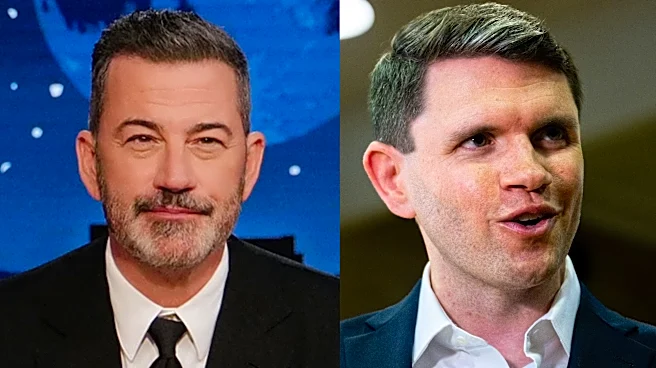
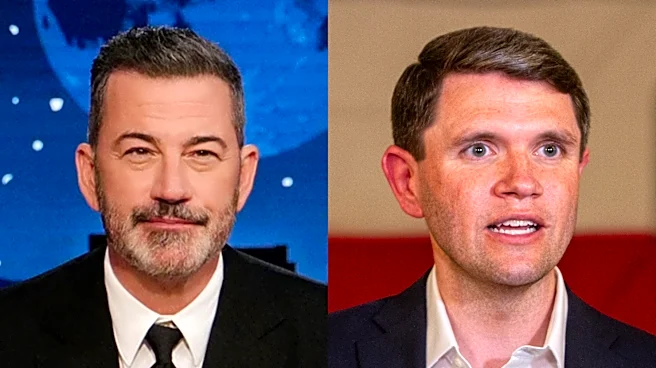
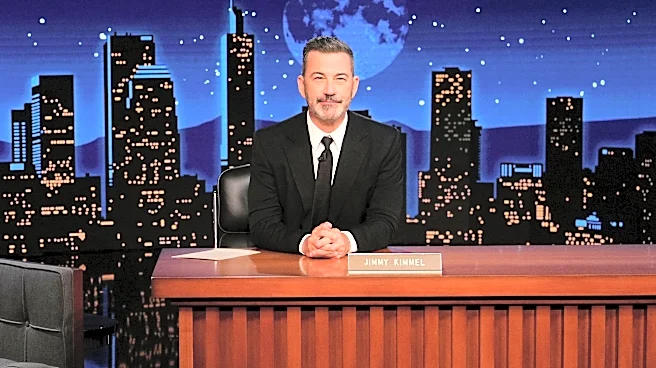
Late-night host Jimmy Kimmel has announced that an interview he conducted with James Talarico, a Democratic Senate candidate in Texas, will not be aired on his television show. Instead, the interview will be released on YouTube. This decision comes after
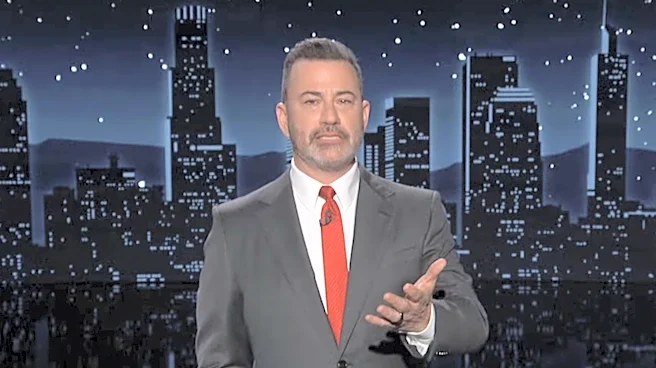
Kimmel stated that the Federal Communications Commission (FCC) had 'threatened' his show and network over 'guest bookings it would seem they don’t like.' The move to YouTube places the interview outside the FCC’s regulatory reach. While Kimmel did not specify the nature of the threats, this development follows the FCC's reversal in January of its previous stance that talk shows were exempt from the equal time rule for political candidates. Kimmel has had previous disagreements with the Trump administration regarding his jokes, and his network, ABC, recently filed a lawsuit against the FCC citing First Amendment concerns.
Why It's Important?
This situation highlights a growing tension between media outlets and regulatory bodies regarding political content, particularly in the context of the 'equal time rule.' The FCC's reinterpretation of this rule to include talk shows could significantly impact how political candidates are featured on television, potentially limiting their exposure on popular platforms. By moving the interview to YouTube, Kimmel is circumventing traditional broadcast regulations, which could set a precedent for other media personalities and outlets seeking to avoid similar restrictions. This shift could empower digital platforms as primary venues for political discourse, potentially altering the landscape of political campaigning and public engagement. The dispute also underscores ongoing debates about free speech and the extent of government oversight in media, especially as the lines between traditional broadcast and digital content continue to blur.
What's Next?
The FCC has not yet commented on Kimmel's claims, and their response will be crucial in determining the immediate future of this dispute. It remains to be seen whether the FCC will pursue any action against ABC or Kimmel for the YouTube release, or if this incident will lead to further clarification or challenges to the 'equal time rule.' Other late-night hosts and television networks may observe this situation closely to inform their own strategies for handling political guests and content, particularly as the next election cycle approaches. The lawsuit filed by ABC against the FCC on First Amendment grounds could also gain increased relevance, potentially leading to legal precedents that redefine the regulatory environment for political content on television and digital platforms.
Beyond the Headlines
This incident touches upon deeper implications concerning the evolving nature of media regulation in the digital age. The 'equal time rule,' originally designed for traditional broadcast media, faces challenges in its application to a fragmented media landscape where platforms like YouTube operate with different regulatory frameworks. This could lead to a two-tiered system where political content on broadcast television is heavily regulated, while similar content on digital platforms enjoys greater freedom, potentially creating an uneven playing field for candidates and media outlets. Furthermore, the dispute raises questions about the balance between regulatory oversight, journalistic freedom, and the public's right to access diverse political viewpoints. The outcome could influence how future political interviews and discussions are presented to the American public, potentially accelerating a shift towards digital-first political engagement.