




What's Happening?
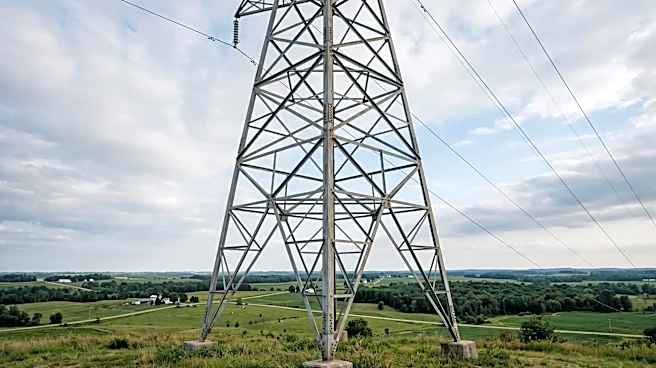
Wisconsin is experiencing significant conflict over the development of new transmission line projects, including Grid Forward, MariBell, and BECI, following the completion of the Cardinal-Hickory Creek (CHC) line in 2024. Communities, particularly in rural
areas, express frustration over a perceived lack of early engagement and transparency in the planning process. Research into the CHC project revealed that opposition was primarily driven by concerns about the planning and approval processes, project costs, and insufficient consideration of alternatives, rather than a lack of concern for climate change. Opponents felt that public outreach was merely a formality and that project approval was predetermined. They also suspected the CHC line was facilitating a new renewable energy production zone, a concern validated by the emergence of wind and solar farms and data centers seeking to connect to the CHC. Critics argue that the current planning process, described as 'decades-old,' fails to account for modern energy trends, environmental concerns, or ratepayer impacts, advocating for more interactive planning involving commissioners, utilities, and the public.
Why It's Important?
The ongoing disputes in Wisconsin highlight a critical challenge in the nationwide transition to a modernized and expanded electric grid: the balance between energy infrastructure development and community engagement. The slow pace of transmission line and renewable energy construction in Wisconsin, attributed to poor communication and a lack of proactive engagement, could impede broader U.S. efforts to enhance grid reliability and integrate more renewable energy sources. The resistance from local communities, who feel excluded from initial planning stages, can lead to prolonged legal battles, increased project costs, and delays in achieving energy goals. This situation underscores the necessity for utilities and regulatory bodies to adopt more inclusive and transparent planning processes to build trust and secure community buy-in, which is essential for the efficient and equitable development of critical energy infrastructure across the United States. Failure to address these concerns could create a blueprint for similar conflicts in other states, hindering national energy transition objectives.
What's Next?
With several large transmission line projects like MariBell and BECI nearing permit application submission to the Public Service Commission (PSC), Wisconsin communities can anticipate upcoming comment periods, offering limited opportunities for public input. However, the fundamental issues regarding early community participation in project planning remain unaddressed. Future developments will likely see continued calls for reform in the transmission planning process, pushing for a more collaborative approach where communities have a seat at the planning table from the outset. The ongoing conflicts may also prompt state regulators and utility companies, such as American Transmission Company (ATC), to re-evaluate their engagement strategies to prevent future widespread opposition. The outcome of these ongoing and future projects in Wisconsin could influence how similar energy infrastructure developments are approached across the U.S., potentially leading to policy changes aimed at fostering better community-utility relations and streamlining the energy transition.
Beyond the Headlines
The Wisconsin transmission line conflicts reveal deeper implications beyond immediate project delays, touching upon issues of democratic participation, environmental justice, and the social license for large-scale infrastructure. The perception that communities are merely consulted as a formality, rather than genuinely involved, erodes public trust in governmental and corporate entities responsible for essential services. This can lead to broader skepticism about the energy transition itself, even among those who support renewable energy goals. Ethically, the current planning process raises questions about equitable distribution of burdens and benefits, as rural communities often bear the direct impacts of infrastructure while urban areas reap the primary benefits. Legally, increased community resistance could lead to more litigation, challenging existing regulatory frameworks and potentially setting precedents for how infrastructure projects are approved. Culturally, these disputes highlight a growing divide between urban energy demands and rural land use, necessitating a more integrated national dialogue on shared responsibilities and benefits in achieving energy independence and sustainability.