


What's Happening?
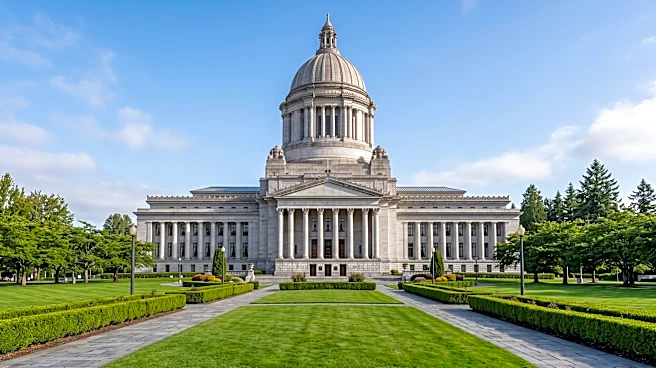
Thousands of Washington state workers, represented by the Washington Federation of State Employees (WFSE), staged walkouts across the state to protest anticipated budget cuts and inadequate pay raises. The protests come as Washington faces a significant
budget shortfall, with an expected $500 million less in revenue for the coming year. Governor Bob Ferguson, a Democrat, has indicated an unwillingness to raise taxes to address the deficit and has instructed state agencies to prepare for substantial spending cuts. The union, which represents approximately 52,000 state government, higher education, and public service workers, has been in contract negotiations with the governor's office since April, with an October 1 deadline for agreements to be ratified. Union leaders argue that the proposed cuts and lack of sufficient compensation will harm state services and negatively impact employees struggling with the cost of living. Some programs enacted since 2019, such as expanded paid family medical leave and unemployment insurance for striking workers, are reportedly at risk of cuts. The state's public health department has already seen about 500 employees laid off in the past year, primarily from COVID-era programming.
Why It's Important?
This situation highlights the significant challenges states face in balancing budgets, particularly during economic downturns, and the direct impact these decisions have on public services and state employees. The potential for drastic cuts to government agencies could lead to a reduction in essential services relied upon by Washington residents, affecting areas from healthcare to education. The dispute also underscores the ongoing tension between state administrations and public sector unions over compensation and working conditions, especially when budget constraints are severe. The outcome of these negotiations and the state's approach to its budget shortfall could set a precedent for how other states manage similar fiscal challenges, potentially influencing labor relations and public service provision nationwide. Furthermore, the union's argument that adequate pay for state employees contributes to the local economy through consumer spending emphasizes the broader economic implications of public sector employment policies.
What's Next?
Contract negotiations between the Washington Federation of State Employees and Governor Ferguson's office are ongoing and are expected to continue through the week, with a critical deadline of October 1 for agreements to be ratified. If an agreement is not reached, it could lead to further labor actions or a more prolonged dispute. Governor Ferguson is focused on developing next year's budget with an emphasis on preserving core services for the state's most vulnerable populations, which will involve making difficult choices regarding agency funding. The union anticipates that any programs enacted since 2019 could face cuts. The resolution of these negotiations will determine the extent of agency cuts, the level of compensation for state workers, and ultimately, the scope and quality of public services available to Washington residents in the coming years.
Beyond the Headlines
The budget crisis in Washington state and the resulting protests by state workers reveal deeper societal and political implications. The governor's reluctance to raise taxes, despite a significant budget shortfall, reflects a broader political trend of fiscal conservatism and the challenges of funding public services without increasing the tax burden on citizens. The union's emphasis on the economic contributions of state employees to their communities, through local spending and property taxes, highlights the often-underestimated role of public sector wages in local economies. This situation also brings to light the vulnerability of social programs and public health initiatives, particularly those established during times of crisis like the COVID-19 pandemic, when budget constraints emerge. The ongoing struggle between fiscal responsibility and social welfare underscores the complex ethical and policy dilemmas faced by state governments in managing public resources and ensuring the well-being of both their workforce and their constituents.