



What's Happening?
Residents in Howard County, Maryland, specifically in the Cedar Creek and River Hill communities, are demanding transparency regarding emissions from a W.R. Grace plastic recycling pilot plant. The multinational chemical company initiated its pilot program
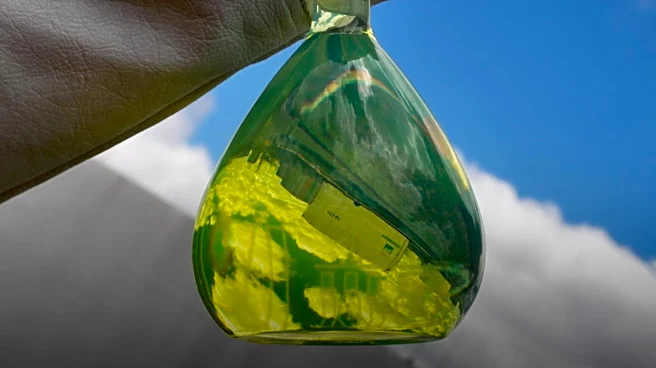
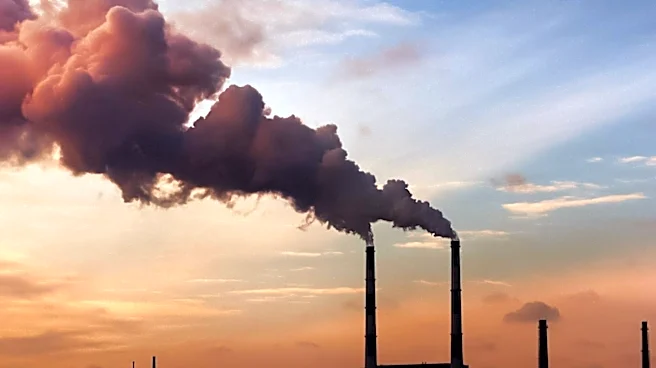
in 2023, which involves advanced chemical recycling, or 'pyrolysis,' a process that applies extreme heat to plastic to convert it into pyrolysis oil. While W.R. Grace disputes that its experimental technologies conduct pyrolysis, it claims its process reduces emissions, saves energy, and lowers costs compared to other plastic recycling options. The Maryland Department of the Environment (MDE) granted the necessary air permit after the company fulfilled state and federal requirements, including a public hearing and comment period. However, MDE did not require an environmental impact assessment for the pilot project. Residents have reported foul odors and are concerned about potential toxicity, but W.R. Grace has cited proprietary information, limiting public access to details about its operations, feedstock sources, fuel, and chemicals used in the heating process. Shamieka Preston, a community organizer with the Stop Grace Coalition, highlighted that despite living in a Democratic city, residents feel unheard.
Why It's Important?
This situation highlights a growing national concern regarding the regulation and transparency of advanced chemical recycling facilities. Environmental advocates, such as Rita O’Connell from Beyond Plastics, argue that chemical recycling is often presented as a solution to the climate crisis but functions more as a public relations campaign for the plastics and petrochemical industries to continue virgin plastic production. With only about 6% of all plastics ever produced successfully recycled, the push for chemical recycling raises questions about its true environmental benefits versus its role in perpetuating plastic overproduction. The lack of federal guidance and leadership on pyrolysis, as noted by Scott Throwe, a former EPA official, leaves states with significant autonomy but potentially insufficient expertise to establish robust monitoring. This creates a regulatory vacuum where pilot projects, which can be inherently riskier due to their experimental nature, operate with limited public oversight and transparency, potentially impacting community health and environmental quality.
What's Next?
The ongoing concerns from Maryland residents suggest continued pressure on W.R. Grace and the Maryland Department of the Environment for greater transparency and stricter oversight. Community organizers like Shamieka Preston and Lisa Krausz are likely to persist in their efforts to obtain more information about the plant's emissions and the chemicals used. Given the experimental nature of pilot projects, there is an expectation that 'things are going to go wrong,' as stated by Scott Throwe, which could lead to further incidents or public health concerns. The broader implications could include increased scrutiny of chemical recycling projects nationwide, potentially prompting federal agencies like the EPA to develop more comprehensive guidelines and risk analyses for this emerging industry. This local struggle could also influence future legislative efforts to regulate advanced recycling technologies and mandate greater corporate accountability and public disclosure.
Beyond the Headlines
The W.R. Grace situation in Maryland underscores a deeper tension between industrial innovation, environmental protection, and community rights. The company's reliance on 'proprietary information' to withhold details about its processes raises ethical questions about corporate responsibility and the public's right to know about potential environmental and health impacts. This issue is not isolated to Maryland; it reflects a national challenge where the promise of technological solutions to waste management often clashes with the realities of industrial operations and their local consequences. The narrative that chemical recycling is a panacea for plastic pollution may obscure the need for more fundamental changes, such as reducing virgin plastic production. This case highlights the critical need for robust regulatory frameworks that prioritize public health and environmental safety over commercial interests, especially when dealing with experimental technologies that could introduce new, unstudied risks into communities.