


What's Happening?
Saudi Arabia has been redirecting millions of barrels of crude oil to its Red Sea port of Yanbu, bypassing the blockaded Strait of Hormuz. This move was intended to alleviate some pressure on global oil supply. However, the situation has become precarious
as Iran-backed Houthi militants have entered the conflict, threatening to disrupt this alternative route. Over the past two weeks, approximately 4.6 million barrels per day have been loaded at Yanbu, a significant increase from the previous year. The Houthis' involvement raises concerns about potential attacks on oil shipments through the Bab-el-Mandeb Strait, a critical passage for oil bound for Asia. The global oil market, already sensitive due to the ongoing conflict, could see further price hikes if this route is compromised.
Why It's Important?
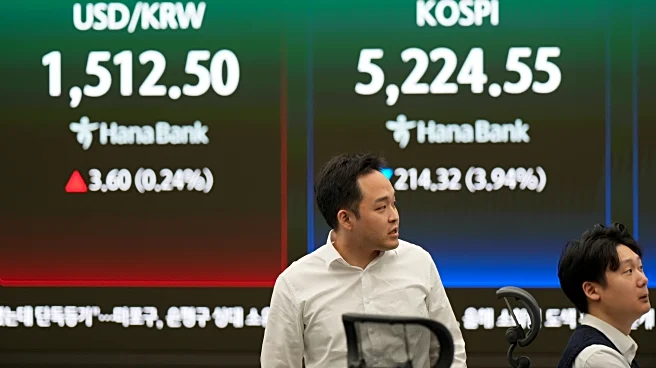
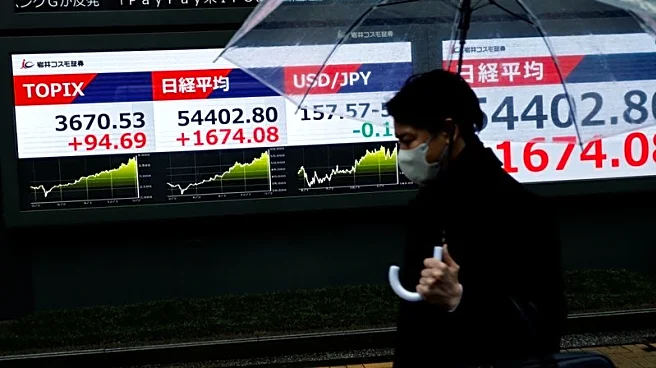
The potential disruption of oil flows from Yanbu could have significant implications for global oil prices and supply chains. The price of Brent crude has already surged by about 50% since the conflict began, and further disruptions could push prices even higher, possibly exceeding $150 per barrel. This would exacerbate fuel shortages and increase costs for consumers and industries worldwide. Asia, heavily reliant on Middle Eastern oil, is particularly vulnerable, with countries like the Philippines and South Korea already implementing energy conservation measures. The situation underscores the fragility of global oil supply chains and the geopolitical risks that can impact energy markets.
What's Next?
If the Bab-el-Mandeb Strait becomes too dangerous for oil tankers, shipping routes will need to be adjusted, potentially adding weeks to delivery times and increasing costs. This could lead to a prioritization of oil shipments to Europe over Asia, further straining Asian markets. Countries in Asia may face immediate crude shortages as they deplete existing stocks, necessitating urgent measures to secure alternative supplies. The international community will likely monitor the situation closely, with potential diplomatic efforts to de-escalate tensions and ensure the security of vital shipping lanes.