



What's Happening?
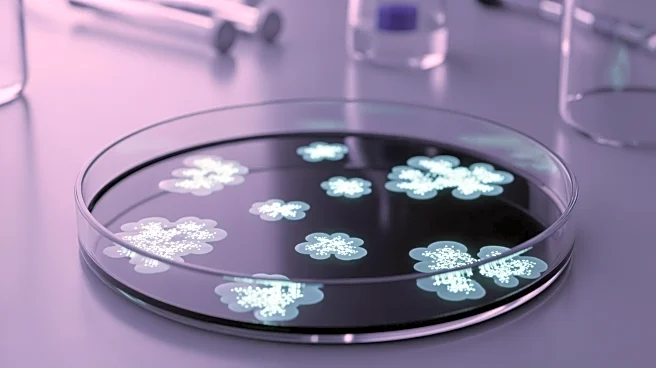
Scientists at the University of British Columbia have developed a new biosensor using beneficial gut bacteria to monitor malabsorption in mice. This biosensor provides noninvasive, continuous monitoring through stool samples, offering a detailed view
of gut health. The research, published in Cell, utilizes Bacteroides thetaiotaomicron, a native gut bacterium, to detect disruptions in the gut environment. The biosensor glows under normal conditions and dims when the gut experiences osmotic stress, indicating malabsorption. This innovative approach allows for early detection of gut-related issues, potentially improving diagnostics and treatment strategies for gastrointestinal diseases.
Why It's Important?
The development of these biosensors represents a significant advancement in noninvasive medical diagnostics. By providing continuous monitoring of gut health, these sensors could lead to earlier detection and treatment of gastrointestinal diseases, improving patient outcomes. This technology could also pave the way for personalized medicine approaches, allowing individuals to track their gut health over time and identify early signs of imbalance. The ability to monitor gut health noninvasively could reduce the need for invasive procedures, making diagnostics more accessible and less burdensome for patients.