







What's Happening?
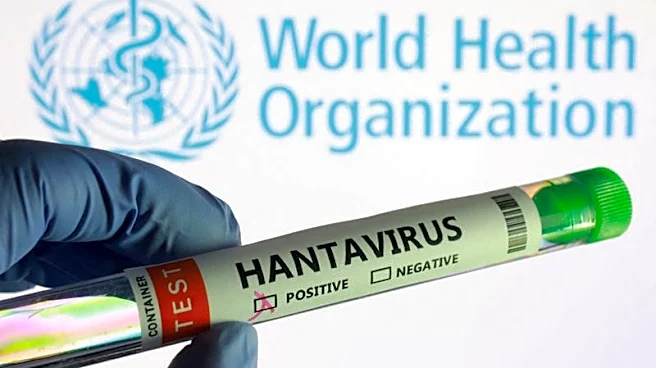
The World Health Organization (WHO) has called for calm among residents of Tenerife, a Spanish island, as it prepares to receive passengers from a cruise ship affected by hantavirus. The ship has already resulted in three fatalities. The WHO's appeal
comes amid concerns about the potential spread of the virus, which is transmitted to humans through contact with rodent excrement. The situation has drawn significant attention as the island braces for the arrival of the ship, with health officials likely to implement strict quarantine and health measures to prevent further infections.
Why It's Important?
The arrival of a hantavirus-affected cruise ship in Tenerife highlights the ongoing challenges of managing infectious diseases in a globalized world. The situation underscores the importance of international health protocols and the role of organizations like the WHO in coordinating responses to potential outbreaks. For the U.S., this incident serves as a reminder of the interconnectedness of global health issues and the need for vigilance in monitoring and responding to infectious diseases that can cross borders rapidly. The economic impact on tourism-dependent regions like Tenerife could be significant, affecting local businesses and international travel patterns.