





What's Happening?
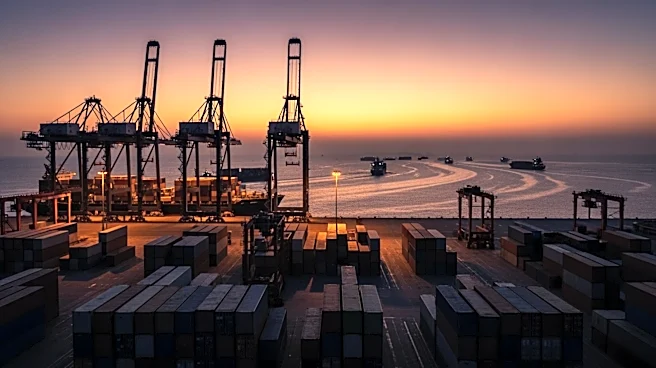
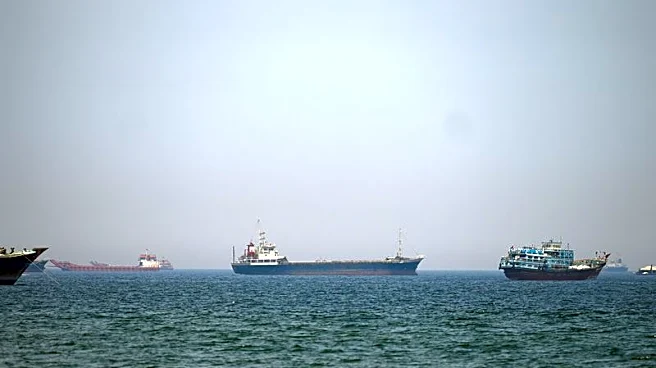
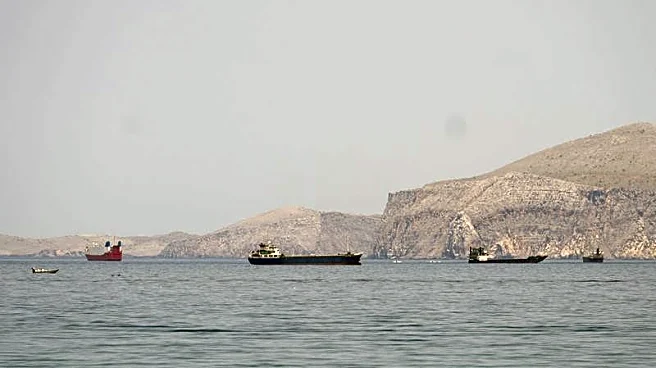
The United States has implemented a blockade on Iranian ports, significantly impacting Iran's financial resources. President Trump announced that the blockade, part of Operation Economic Fury, has been highly profitable for the U.S., with the U.S. Navy
enforcing the blockade by redirecting 48 vessels back to port. This operation has reportedly cost Iran approximately $4.8 billion in lost oil revenue. The blockade is part of a broader strategy to exert financial pressure on Iran amid stalled negotiations between the two countries. The U.S. aims to force Iran into compliance by cutting off its ability to fund activities deemed destabilizing to the region.
Why It's Important?
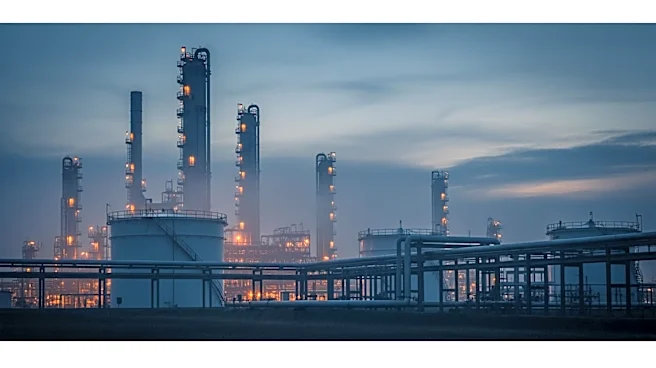
The blockade's impact on Iran's economy is significant, as it restricts the country's ability to export oil, a major source of revenue. This move by the U.S. is intended to weaken Iran's financial capacity to support activities that the U.S. considers threatening to regional stability. The operation underscores the U.S.'s strategic use of economic sanctions and military presence to influence international relations and security dynamics. The financial strain on Iran could lead to increased internal pressure on its government, potentially affecting its domestic and foreign policies.
What's Next?
The continuation of the blockade and its enforcement by the U.S. Navy suggests ongoing tensions between the U.S. and Iran. The situation may lead to further diplomatic negotiations or escalations, depending on Iran's response to the financial pressure. The U.S. has indicated a willingness to maintain the blockade until Iran complies with international demands. The potential for retaliatory actions by Iran or its allies in the region remains a concern, which could further complicate the geopolitical landscape.