


What's Happening?
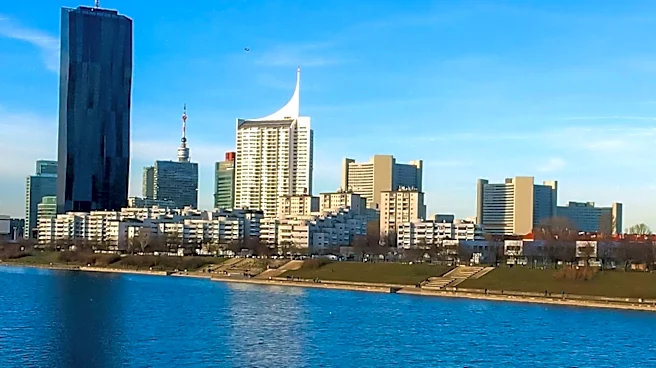
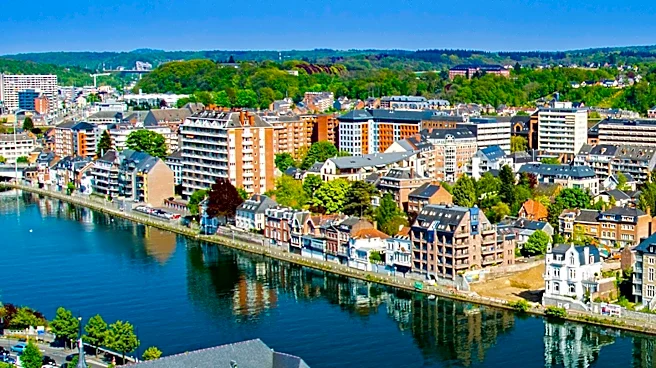
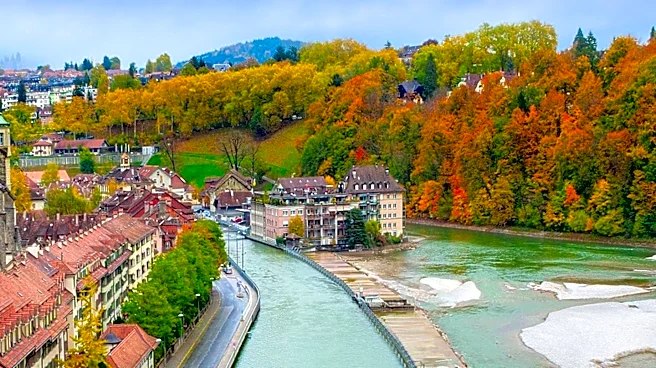
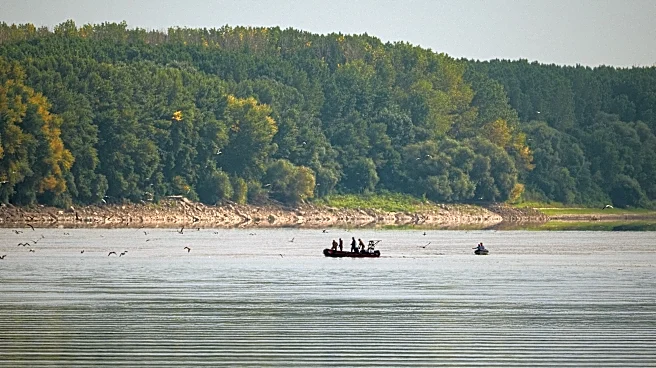
Europe is experiencing a severe drought, with major rivers like the Danube and the Rhine reaching record low water levels. This situation is exacerbated by relentless heat and lack of rainfall, visible even from satellite images. The Danube River, crucial
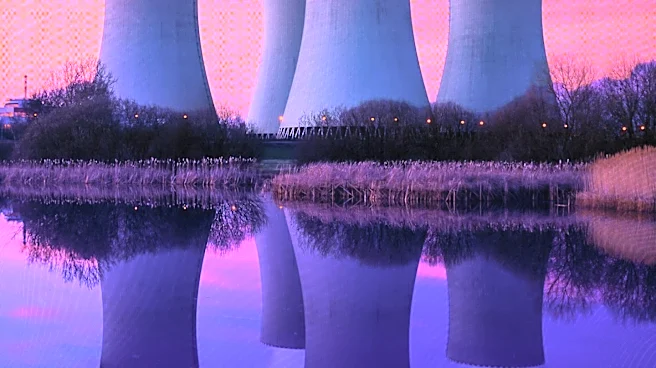
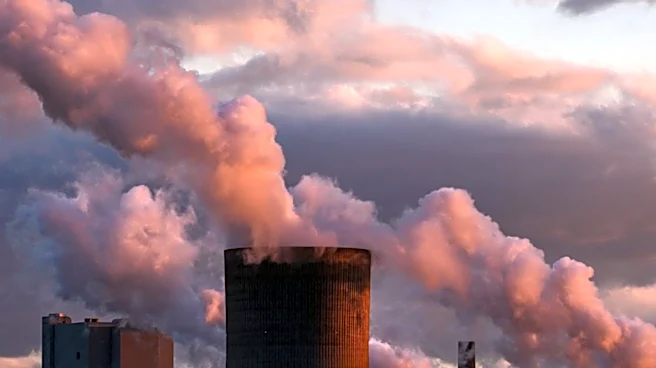
for Hungary's Paks nuclear power plant, has dropped to levels that have forced the plant to operate at only 10% capacity. Similar issues are affecting Romania, where efforts are underway to redirect water to its Cernavodă nuclear plant. The low water levels are disrupting transport, energy production, and tourism, with significant economic and ecological impacts.
Why It's Important?
The drying of Europe's rivers highlights the broader impacts of climate change on critical infrastructure and ecosystems. The energy crisis in Hungary underscores the vulnerability of power plants that rely on river water for cooling. The situation also affects transportation, as low water levels hinder the movement of goods, increasing costs and disrupting supply chains. This crisis serves as a stark reminder of the urgent need for climate adaptation strategies and sustainable water management practices to mitigate future risks.
Beyond the Headlines
The current crisis reveals deeper issues related to climate change and resource management. As rivers shrink, historical artifacts are being uncovered, offering insights into past civilizations. The situation also raises questions about the long-term sustainability of current energy and transport systems. Scientists warn that such hydrological extremes will become more common, necessitating comprehensive policies to reduce greenhouse gas emissions and adapt to changing environmental conditions.