

What's Happening?
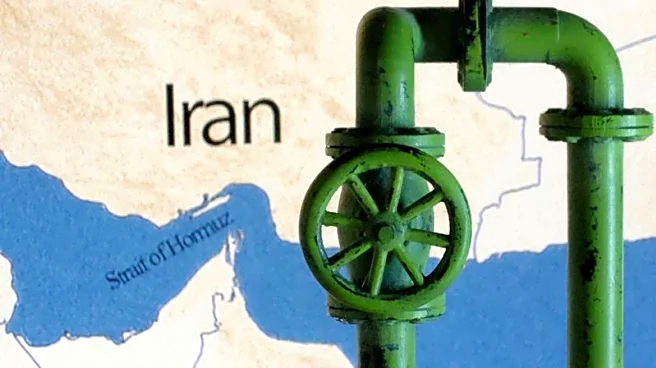
The International Energy Agency (IEA) is proposing a record-setting release of global oil reserves to mitigate the impact of the ongoing closure of the Strait of Hormuz. The proposal, which exceeds the 182 million barrel release authorized in 2022, aims
to offset the loss of approximately 14 million barrels per day of net oil export capacity. The closure, driven by the US-Israel conflict with Iran, has significantly disrupted global oil supplies. The IEA's member states are expected to vote on the proposal, which could provide a temporary solution to stabilize oil markets.
Why It's Important?
The closure of the Strait of Hormuz poses a severe threat to global energy security, as it is a critical passage for oil exports. The IEA's proposed release of oil reserves is a strategic response to prevent further economic instability and manage the supply-demand imbalance. This move underscores the international community's reliance on coordinated efforts to address energy crises and highlights the geopolitical risks associated with oil supply disruptions. The outcome of the IEA's vote will have significant implications for global oil prices and market stability.
What's Next?
The IEA's decision on the oil reserve release will be pivotal in determining the short-term stability of global oil markets. Member states' support or opposition to the proposal will influence the effectiveness of this intervention. Continued diplomatic efforts to resolve the conflict and ensure the security of oil transit routes will be crucial in preventing further disruptions. The international community may also explore additional measures to enhance energy security and reduce reliance on vulnerable supply chains.