


What's Happening?
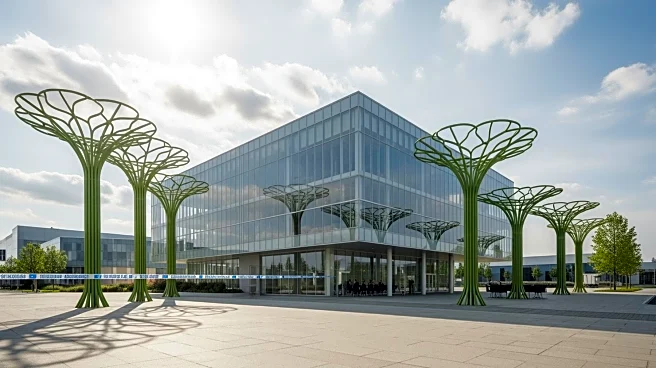
The Cleveland Foundation has relocated its headquarters to the Hough and MidTown area, transforming its new space into a community hub. The foundation's new building, which opened in 2023, is designed to serve as a 'third space' for community gatherings,
featuring public amenities such as a gallery, cafe, and studio for creative arts. This move is part of a broader strategy to break down barriers between philanthropy and the public, encouraging community involvement and revitalization. The foundation's efforts include the development of the MidTown Collaboration Center, which houses nonprofits and businesses, and the opening of a new music venue, The Sixty6, to celebrate local culture.
Why It's Important?
The Cleveland Foundation's initiative represents a shift in how philanthropic organizations engage with communities, emphasizing transparency and accessibility. By creating spaces that encourage public interaction, the foundation aims to foster community development and economic growth. This approach could serve as a model for other foundations seeking to enhance their impact and relevance. The foundation's efforts to involve local residents in the planning process highlight the importance of community input in urban development projects, potentially leading to more sustainable and inclusive growth.
What's Next?
The foundation plans to continue its community engagement efforts, with future projects including the creation of a small park and ongoing public forums to address community concerns. The success of these initiatives will depend on continued collaboration with local residents and stakeholders. The foundation's approach may inspire similar strategies in other cities, as organizations seek to balance development with community needs.
Beyond the Headlines
The Cleveland Foundation's move to a more community-focused model raises questions about the role of philanthropy in urban development. By prioritizing public access and involvement, the foundation challenges traditional notions of philanthropy as a top-down process. This shift could lead to broader changes in how philanthropic organizations operate, potentially influencing public policy and urban planning practices.