



What's Happening?
Approximately 2.2 million Americans currently live without running water in their homes, highlighting a significant domestic water access issue. This situation is being addressed by human rights non-profits working to bridge this 'water gap.' The lack
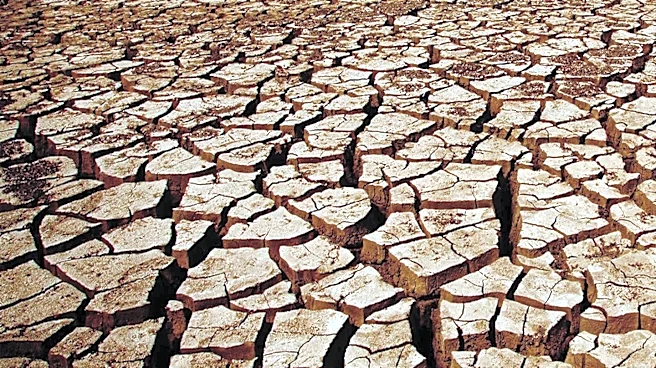
of running water for these individuals is contrasted with global statistics, where nearly a quarter of the world's population lacks drinking water on premises, and almost half lack safely managed sanitation. The broader context suggests that such domestic challenges are a precursor to future water shortages, which are anticipated due to climate change. The experience of water rationing, even for a short period, serves as a practical exercise for a future where climate chaos is expected to exacerbate water scarcity.
Why It's Important?
The lack of running water for 2.2 million Americans underscores a critical infrastructure and human rights issue within the United States. This domestic challenge has significant implications for public health, sanitation, and overall quality of life for affected communities. From an economic perspective, addressing this 'water gap' would require substantial investment in infrastructure development and maintenance, potentially creating jobs and stimulating local economies. Furthermore, the situation serves as a stark reminder of the vulnerability of even developed nations to water scarcity, especially as climate change is projected to intensify such issues. The efforts of human rights non-profits in this area highlight the role of civil society in addressing fundamental needs that government or market forces may not fully cover, impacting social equity and community well-being.
What's Next?
The ongoing efforts by human rights non-profits are expected to continue focusing on providing access to running water for the 2.2 million Americans currently without it. These initiatives will likely involve advocacy, fundraising, and direct infrastructure projects in affected communities. Given the anticipated future water shortages due to climate change, there may be increased pressure on federal and state governments to invest in water infrastructure and conservation strategies. This could lead to new policies, funding allocations, and technological advancements aimed at ensuring water security for all citizens. The experience of water rationing, as mentioned in the source, suggests a growing public awareness and potential for greater community engagement in water conservation practices and preparedness for future scarcity.
Beyond the Headlines
The issue of 2.2 million Americans lacking running water extends beyond mere infrastructure deficits; it touches upon deeper ethical and social justice concerns. Access to clean, running water is a fundamental human right, and its absence in a developed nation like the U.S. points to systemic inequalities, often affecting marginalized communities. This situation can perpetuate cycles of poverty and disadvantage, impacting health outcomes, educational opportunities, and economic mobility. The broader implication of climate chaos leading to future water shortages suggests a need for a paradigm shift in how water resources are managed and valued. It calls for a re-evaluation of consumption patterns, investment in sustainable water technologies, and a more equitable distribution of resources, highlighting the interconnectedness of environmental, social, and economic justice.