

What's Happening?
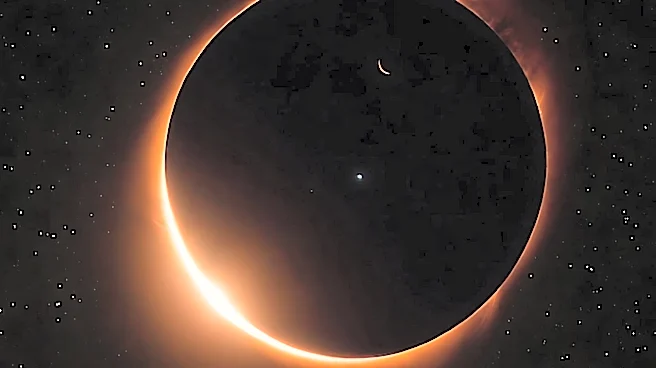
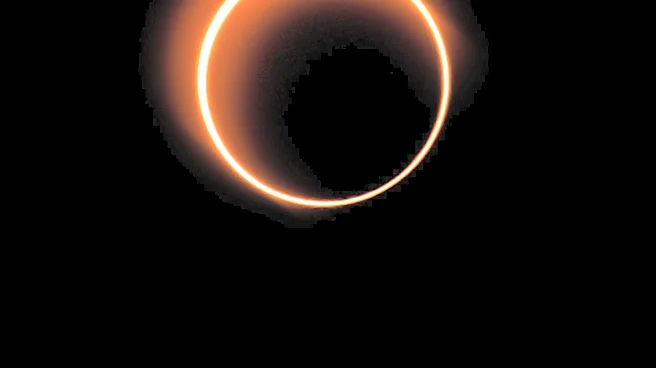
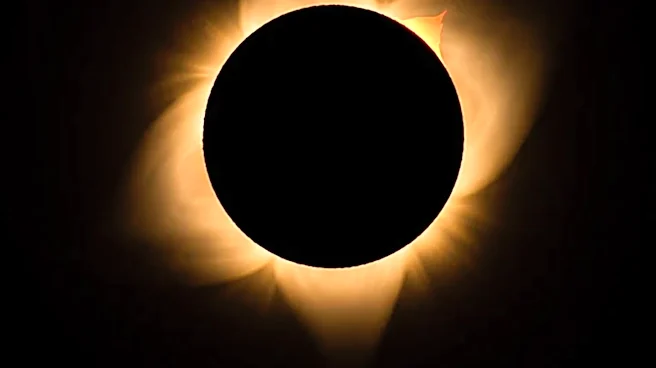
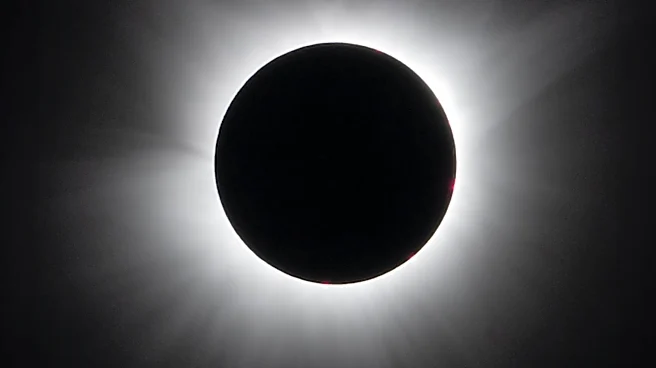
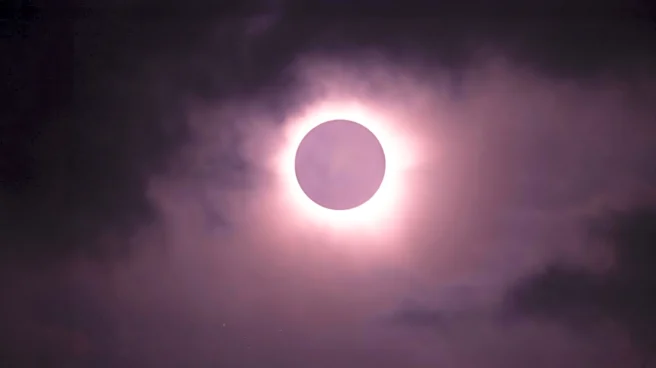
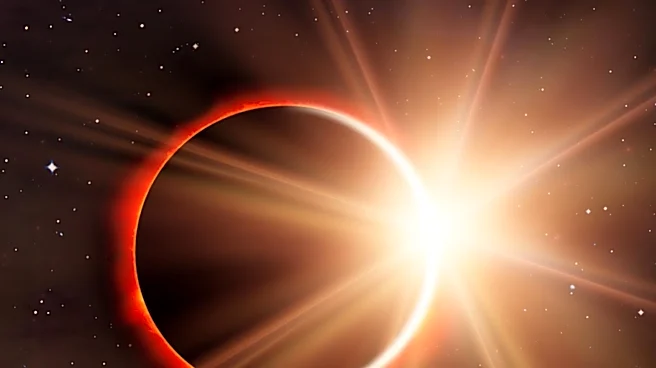
A solar eclipse is set to occur next week, offering a viewing opportunity for people across Europe and parts of the United States. The eclipse will be total in regions like Iceland, Greenland, and parts of Spain, while northern U.S. states will experience
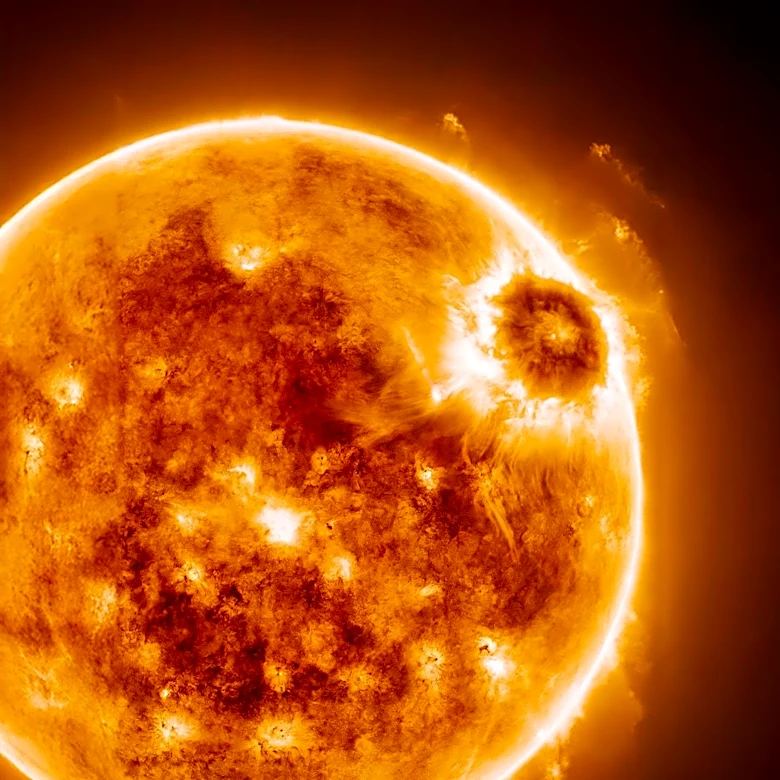
a partial eclipse. The event is significant for both skywatchers and scientists, as it provides a chance to study the sun's corona and its effects on Earth's atmosphere. Special equipment is recommended for safe viewing.
Why It's Important?
Solar eclipses are rare astronomical events that captivate public interest and provide valuable scientific data. For the U.S., the partial eclipse offers a unique opportunity for educational outreach and public engagement in astronomy. Scientists will use the eclipse to study solar phenomena and atmospheric changes, contributing to our understanding of space weather and its impact on Earth. The event also highlights the importance of safe viewing practices to prevent eye damage.
What's Next?
Following the eclipse, scientists will analyze data collected during the event to enhance our understanding of solar activity and its effects. Public interest in astronomy may lead to increased participation in related educational programs and events. The next partial solar eclipse visible in the U.S. is scheduled for August 2, 2027, with a total eclipse occurring in 2044, offering future opportunities for observation and study.