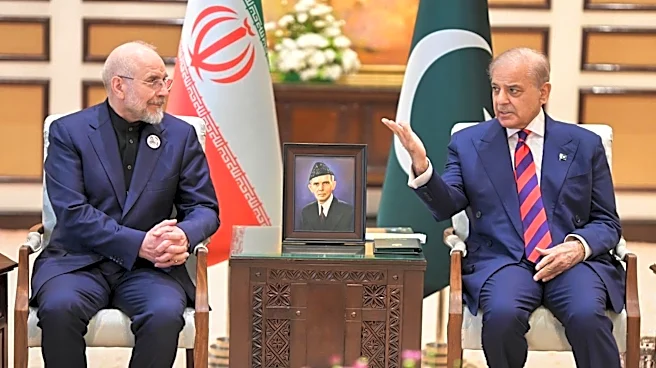

What's Happening?
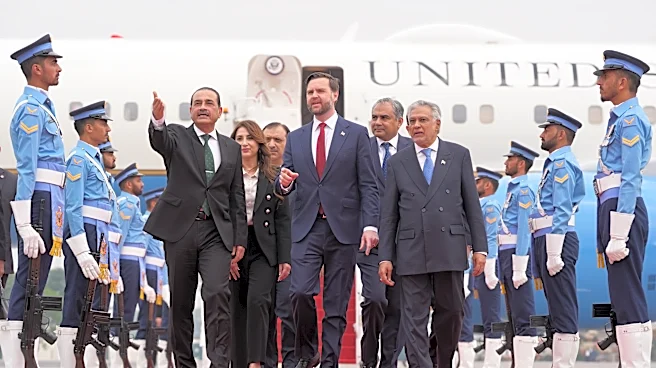
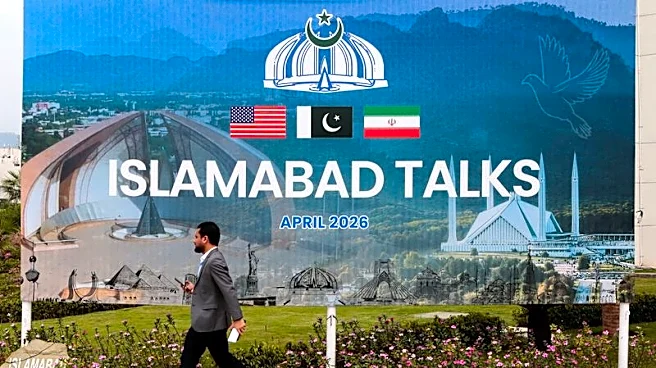
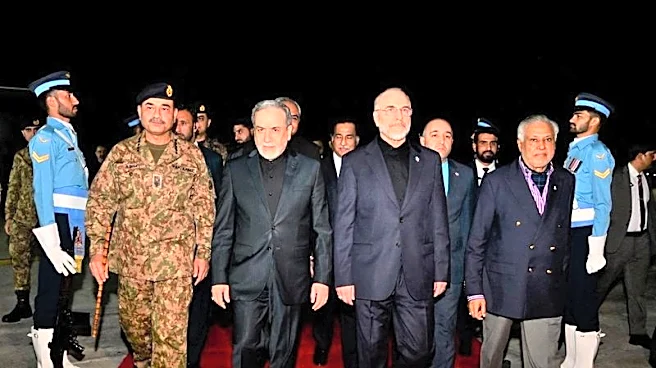
The United States and Iran have concluded peace talks in Islamabad, Pakistan, without reaching an agreement to end their ongoing conflict. The discussions, which lasted 21 hours, were aimed at solidifying
a fragile ceasefire that was agreed upon earlier in the week. The talks were the first direct high-level meeting between the two nations in over a decade. Despite the efforts, both sides blamed each other for the failure to reach a consensus. The U.S. delegation, led by Vice President JD Vance, emphasized the need for Iran to commit to not developing nuclear weapons, which remains a core goal for the U.S. administration. Iran, on the other hand, described the U.S. demands as excessive, particularly concerning the control of the Strait of Hormuz and its nuclear program. The ceasefire, which began on February 28 following airstrikes by the U.S. and Israel on Iran, remains in place but is under threat due to ongoing tensions.
Why It's Important?
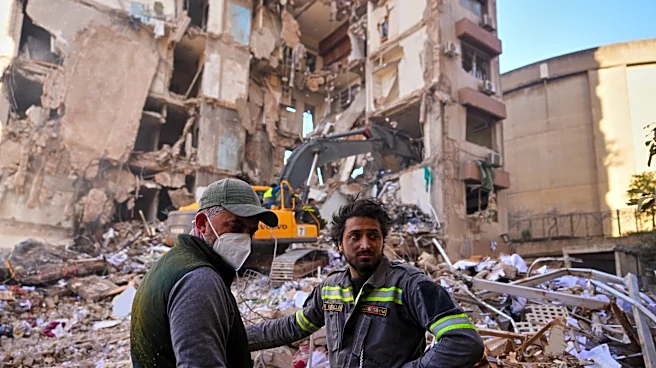
The failure to reach an agreement in the peace talks has significant implications for global stability and economic markets. The conflict has already resulted in thousands of deaths and has caused global oil prices to soar, given the strategic importance of the Strait of Hormuz, a critical chokepoint for global energy supplies. The inability to secure a lasting peace could lead to further instability in the region, affecting international relations and economic conditions. The U.S. aims to ensure free passage through the Strait and to prevent Iran from developing nuclear weapons, which are key strategic objectives. The ongoing conflict also involves U.S. ally Israel, which continues to engage in military actions against Tehran-backed Hezbollah militants in Lebanon, further complicating the situation.
What's Next?
With the peace talks ending without an agreement, the focus will likely shift to maintaining the current ceasefire and exploring alternative diplomatic channels. Both the U.S. and Iran have left the door open for future negotiations, although the path forward remains uncertain. The U.S. may continue to apply diplomatic and economic pressure on Iran to meet its demands, while Iran may seek to leverage its control over the Strait of Hormuz and its regional influence to negotiate better terms. The international community, particularly countries reliant on oil passing through the Strait, will be closely monitoring the situation, as any escalation could have widespread economic repercussions.