
What's Happening?
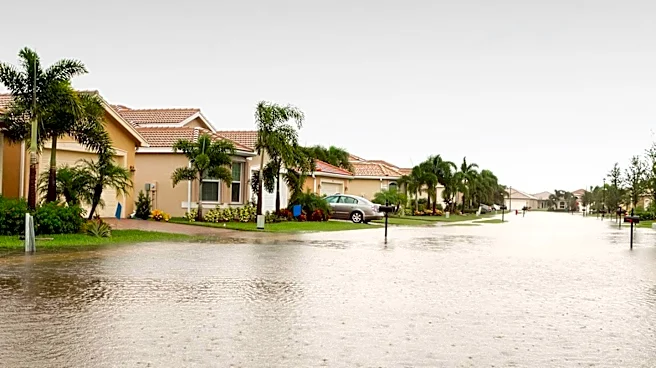
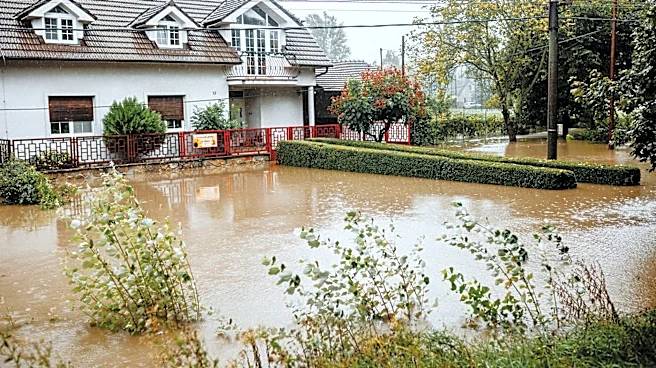
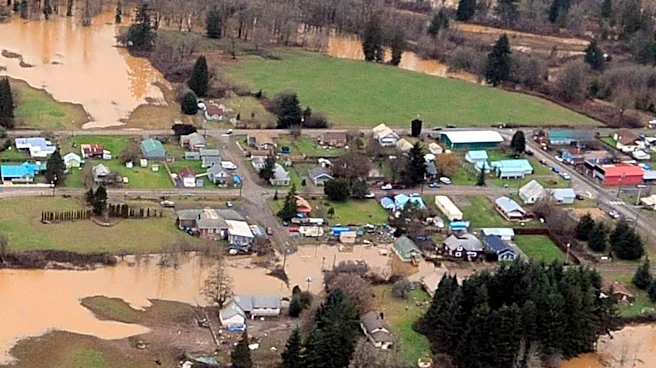
Recent flooding in West Virginia has resulted in significant damage and loss of life, with at least two fatalities and numerous homes affected. Despite previous floods prompting the creation of a Flood
Resiliency Office and a state flood plan, many recommendations remain unfunded. The state's infrastructure remains vulnerable, with a quarter of essential structures at risk. Efforts to secure funding for flood prevention have faced political challenges, with recent attempts to allocate significant resources being rejected. The state's Flood Resiliency Office has only recently received a modest funding boost.
Why It's Important?
The flooding in West Virginia underscores the urgent need for effective flood prevention and mitigation strategies. The lack of funding and implementation of existing plans highlights systemic issues in disaster preparedness. This situation poses significant risks to public safety and economic stability, as infrastructure remains vulnerable to future floods. The political challenges in securing funding reflect broader debates on resource allocation and prioritization of public safety measures. The event may prompt renewed calls for comprehensive flood management policies and increased investment in infrastructure resilience.
What's Next?
In the aftermath of the flooding, state officials and lawmakers are expected to hold debriefing meetings to assess the response and identify areas for improvement. There may be discussions on increasing funding for flood prevention and infrastructure upgrades. The state's congressional delegation has called for expedited federal disaster relief, which could influence future policy decisions. The situation may also lead to increased advocacy for climate change adaptation measures, as severe weather events become more frequent.