

What's Happening?
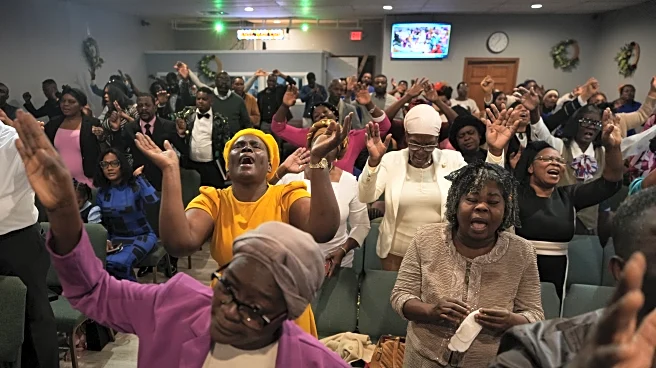
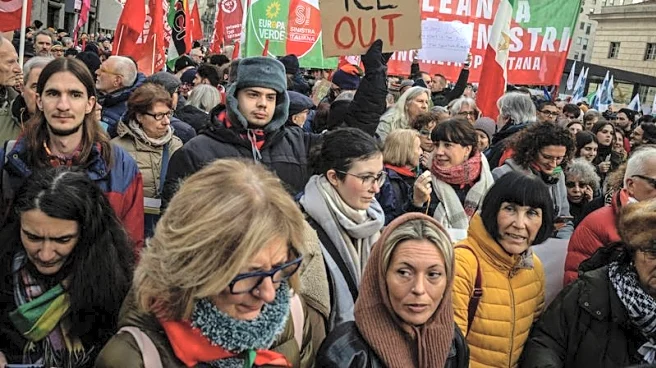
Bruce Springsteen recently performed a surprise concert in Minneapolis, which has become a focal point for social action against a violent immigration crackdown. The event, which drew thousands of residents to the streets, was a response to the deaths
of two individuals during the crackdown. Springsteen's new ballad, 'Streets of Minneapolis,' has become a symbol of the movement, topping iTunes charts in 19 countries. The concert and subsequent protests highlight the intersection of music and social justice, reminiscent of historical moments where music played a pivotal role in civil rights movements.
Why It's Important?
The concert and protests underscore the ongoing tensions surrounding immigration policies in the U.S. and the role of cultural figures in mobilizing public sentiment. Springsteen's involvement brings national attention to the issue, potentially influencing public opinion and policy discussions. The event also reflects broader societal debates about the use of music and art as tools for social change, echoing past civil rights movements. This development could impact future immigration policy discussions and the role of artists in political activism.
What's Next?
The protests in Minneapolis may inspire similar actions in other cities, potentially leading to increased scrutiny of immigration policies. Lawmakers and advocacy groups might leverage the momentum to push for policy changes or increased protections for immigrants. The cultural impact of Springsteen's involvement could also encourage other artists to engage in social issues, further amplifying public discourse.
Beyond the Headlines
The event raises questions about the ethical responsibilities of artists in political activism and the potential for music to influence legal and social outcomes. It also highlights the power of collective action in addressing systemic issues, suggesting a possible shift in how social movements are organized and sustained in the digital age.