






What's Happening?
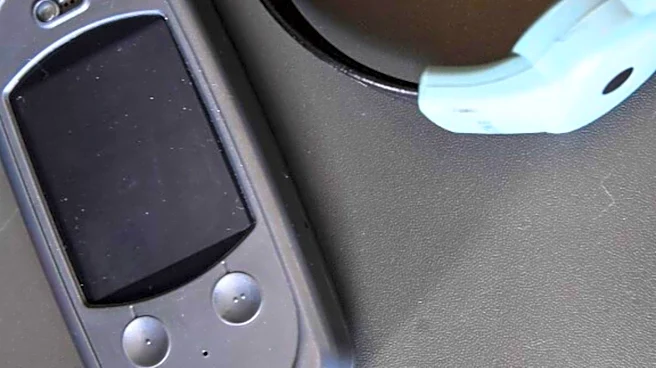
A new study published in the journal Diabetes Therapy indicates that a significant number of adults with type 1 diabetes continue to experience recurrent severe hypoglycemic events (SHEs) and impaired awareness of hypoglycemia (IAH), despite using continuous
glucose monitors (CGM). CGM technology, designed to track glucose levels in real time and alert users to dangerous fluctuations, was expected to substantially reduce these life-threatening episodes of dangerously low blood sugar. The research, conducted through a cross-sectional, observational design using an online survey of U.S. adults with type 1 diabetes who use CGM, compared individuals with recurrent SHEs and IAH to those without. Findings show that the group experiencing recurrent SHEs and IAH reported an average of 8.6 severe hypoglycemic events annually, alongside significantly higher levels of fear of hypoglycemia, greater diabetes-related distress, lower quality of life, worse overall health status, and reduced productivity. This suggests that for a subset of the type 1 diabetes population, current CGM technology has not fully mitigated the daily threat of severe low blood sugar.
Why It's Important?
This study highlights a critical gap in the effectiveness of current diabetes management technologies for a vulnerable population within the U.S. healthcare system. While CGM has been widely adopted and celebrated for its potential to improve glycemic control and prevent severe hypoglycemic events, the persistence of these events in a substantial group of users indicates that technology alone is not a complete solution. The psychosocial toll, including increased fear of hypoglycemia, diabetes-related distress, and diminished quality of life, has significant implications for patient well-being and public health. Economically, reduced productivity due to absenteeism and presenteeism among affected individuals represents a tangible cost. For healthcare providers and policymakers, these findings underscore the need for more nuanced approaches to diabetes care, potentially involving enhanced patient education, psychological support, and the development of more advanced or personalized technological interventions. The study challenges the assumption that CGM universally resolves the risks associated with severe hypoglycemia, prompting a re-evaluation of current treatment paradigms and resource allocation.
What's Next?
The study's implications suggest several potential next steps for diabetes care and research. Clinicians may need to actively screen for recurrent severe hypoglycemia and impaired awareness of hypoglycemia even in patients using CGM, as the technology alone does not guarantee safety. This could lead to the implementation of structured hypoglycemia awareness training programs and advanced hybrid closed-loop insulin delivery systems for at-risk individuals. Furthermore, addressing the psychological dimensions of hypoglycemia fear directly will be crucial, as fear-driven behaviors can undermine treatment plans. Future research may focus on understanding the mechanisms behind CGM's limitations for this specific population, such as sensor latency, alert fatigue, or physiological derangements that CGM does not repair. This could lead to innovations in CGM technology or complementary therapies designed to better support those most susceptible to severe hypoglycemic events, ultimately aiming to improve their quality of life and reduce the humanistic and economic burden of type 1 diabetes.
Beyond the Headlines
Beyond the immediate clinical implications, this study touches upon broader ethical and societal considerations regarding the promise and limitations of medical technology. It highlights that while technological advancements offer significant benefits, they do not always provide universal solutions, and a 'one-size-fits-all' approach can overlook the needs of specific patient subgroups. The persistence of severe hypoglycemia despite CGM use raises questions about equitable access to comprehensive care, including psychological support, which may be necessary to complement technological interventions. It also underscores the importance of patient-reported outcomes and lived experiences in evaluating the true effectiveness of medical devices. The study implicitly calls for a more holistic understanding of chronic disease management, where technology is integrated with behavioral science, psychological support, and personalized care strategies to address the complex interplay of physiological, emotional, and social factors influencing patient health and well-being. This nuanced perspective is crucial for developing truly patient-centered healthcare solutions.