



What's Happening?
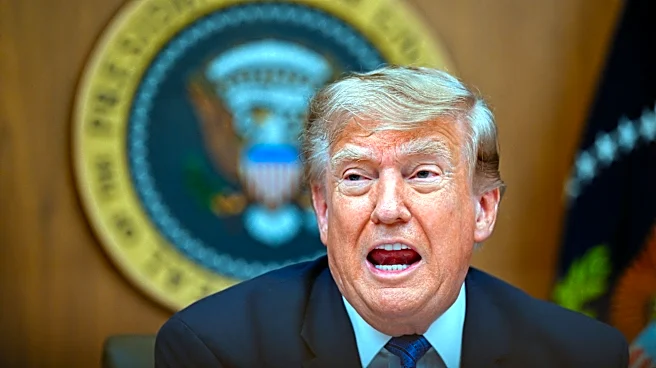
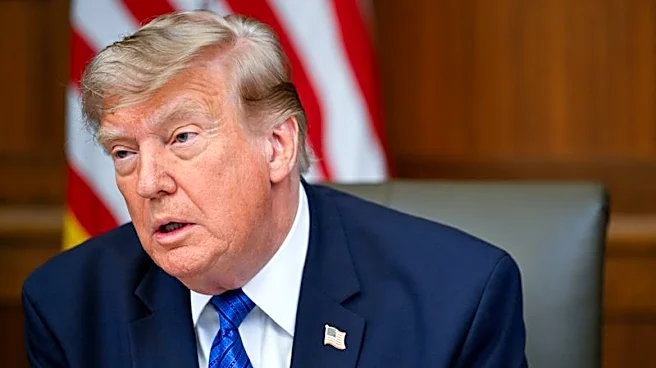
During a Cabinet meeting at Camp David, President Trump accused Minnesota, specifically Democratic Governor Tim Walz, of being responsible for recent cyberattacks on the state's water systems. Trump claimed that the state was behind the attacks due to
incompetence, dismissing the possibility of Iranian involvement despite warnings from security agencies about Iranian hackers targeting critical infrastructure. The FBI and other agencies have not identified the source of the attacks, which affected over 30 water systems. Trump's allegations come amid ongoing tensions with Governor Walz over immigration enforcement and other issues.
Why It's Important?
The accusations by President Trump highlight the ongoing political tensions between the federal government and state leadership, particularly in states led by Democratic governors. The lack of evidence supporting Trump's claims raises concerns about the politicization of cybersecurity issues, which could undermine public trust in government responses to cyber threats. The situation also underscores the vulnerability of critical infrastructure to cyberattacks, emphasizing the need for robust cybersecurity measures and cooperation between federal and state agencies to protect essential services.
What's Next?
The fallout from Trump's accusations may lead to further political disputes between the federal government and Minnesota's state leadership. It is likely that cybersecurity agencies will continue to investigate the source of the attacks, with potential implications for U.S.-Iran relations if Iranian involvement is confirmed. The situation may also prompt discussions on improving cybersecurity infrastructure and policies to prevent future attacks on critical systems.