


What's Happening?
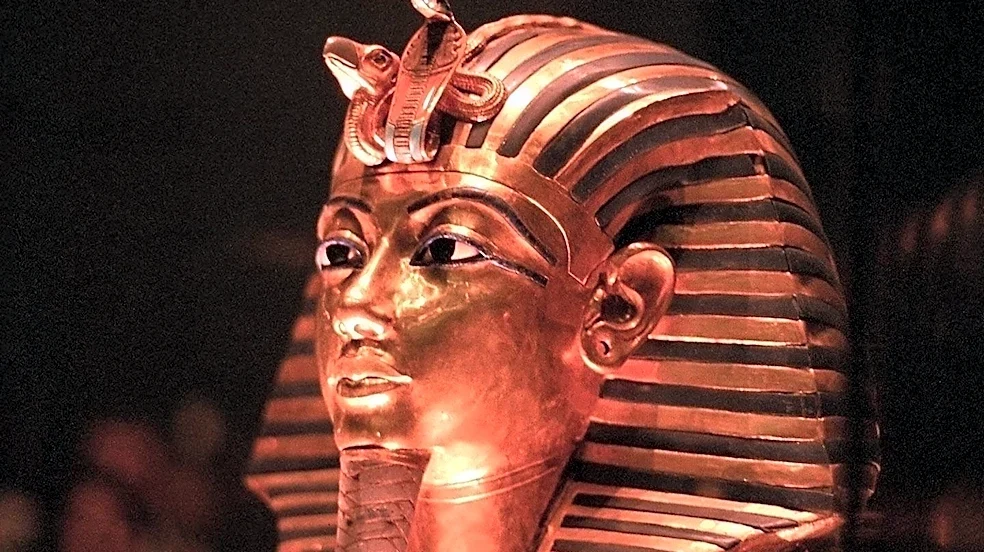
British archaeologist Howard Carter's extensive records from the Tutankhamun tomb KV62 reveal that thousands of fragile artifacts remain hidden from public display in conservation vaults and study archives. While popular exhibitions showcase gilded treasures,
Carter's decade-long excavation, starting in 1922, was primarily a struggle against severe decay, unstable materials, and biological threats. His field journals, preserved at the University of Oxford's Griffith Institute, contradict the notion of a swift clearance, detailing a meticulous, arduous rescue operation. Many items, including organic materials like plant fibers, linen, and food offerings, lacked the structural integrity for conventional display due to water seepage, fragmentation, and microbial attacks over millennia. The actual dangers within the tomb were biological, such as toxic fungal blooms and a stale subterranean atmosphere, posing significant health risks to conservators and preservation challenges for the inventory.
Why It's Important?
This revelation is important as it reshapes the public understanding of archaeological preservation and the true nature of historical discovery. It highlights the scientific rigor and immense challenges involved in conserving ancient artifacts, moving beyond the romanticized image of treasure hunting. The detailed documentation of decay and preservation efforts underscores the fragility of historical objects and the continuous need for specialized conservation science. It also debunks popular myths, such as the 'curse of Tutankhamun,' by providing scientific explanations for events like the death of financial sponsor George Herbert, the 5th Earl of Carnarvon, attributing it to pneumonia and blood poisoning rather than supernatural causes. This perspective emphasizes the critical role of archival research in providing accurate historical narratives and informing future preservation strategies for cultural heritage.
What's Next?
The continued study of Carter's extensive archival records will likely lead to further insights into early 20th-century archaeological methods and conservation science. Researchers and conservators may utilize these detailed notes to develop new techniques for preserving similar fragile organic materials found in other ancient sites. The information could also influence how museums curate and present archaeological findings, potentially leading to more educational exhibits that highlight the scientific and preservation aspects of archaeology, rather than solely focusing on the aesthetic value of artifacts. Furthermore, these records could inform discussions about the ethical considerations of displaying extremely fragile items versus preserving them in controlled archival environments for future study.
Beyond the Headlines
Beyond the immediate historical context, the story of Tutankhamun's tomb preservation raises broader questions about the accessibility of cultural heritage and the balance between public display and long-term conservation. It highlights the ethical dilemma faced by institutions: whether to expose fragile artifacts to the elements of public exhibition, risking further degradation, or to keep them in controlled environments, limiting public access. This narrative also underscores the often-unseen labor and scientific expertise required to maintain historical records and artifacts, challenging the public's perception of archaeology as merely an adventurous pursuit. It emphasizes the enduring value of meticulous documentation and archival work as foundational to understanding and preserving human history, even when the objects themselves cannot be publicly viewed.