





What's Happening?
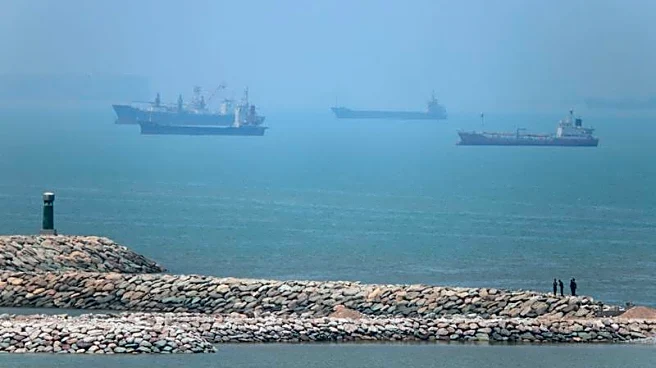
Traffic in the Strait of Hormuz is showing signs of resumption, although it remains below pre-conflict levels. On June 16 and 17, several Iranian-owned tankers, including the VLCCs Diona and Hero2, moved out of the U.S. naval blockade's eastern end. Despite
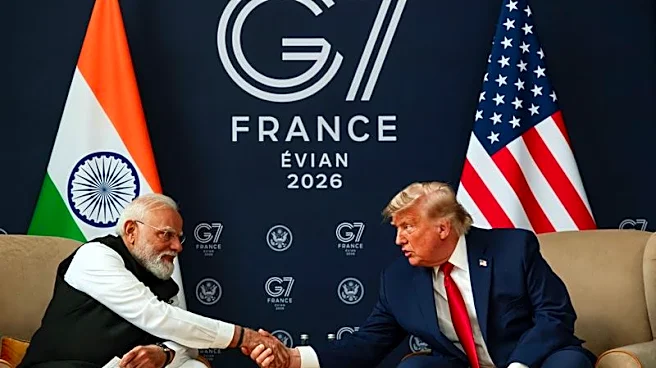
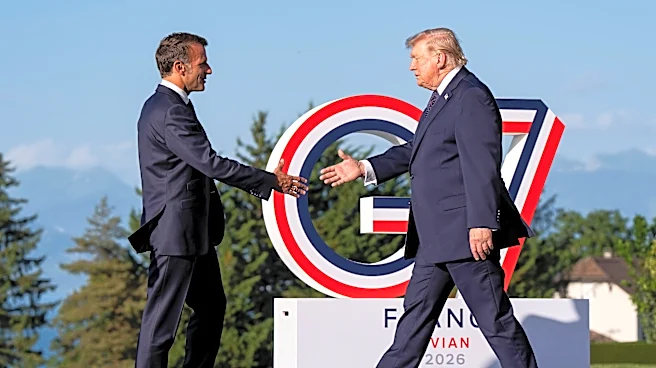
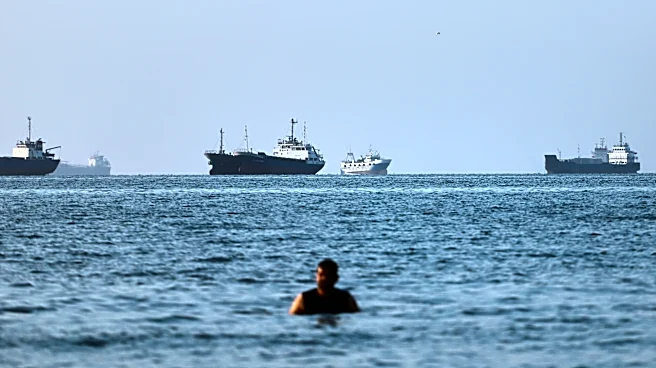
these movements, overall maritime activity in the region is still limited, with many vessels anchored and awaiting further developments. The maritime community is in a 'wait-and-see' mode, pending the release of a Memorandum of Understanding (MoU) that will outline interim arrangements for future transits. President Trump, at the G7 conference in Evian, stated that the MoU's text is not yet finalized, and he issued further threats against Iran. The MoU, expected to be released on June 21, is crucial for clarifying the modalities of future transits, which may involve the 1968 Traffic Separation Scheme or the Persian Gulf Strait Authority (PGSA) system.
Why It's Important?
The resumption of traffic in the Strait of Hormuz is significant for global oil and LNG markets, as the strait is a critical chokepoint for energy exports. The uncertainty surrounding the MoU and President Trump's statements could impact international relations and economic stability, particularly in the energy sector. The U.S. naval blockade and potential military actions against Iran add to the geopolitical tensions in the region. Stakeholders, including shipping companies and energy traders, are closely monitoring the situation, as the MoU's finalization could influence shipping routes and security measures. The outcome will affect not only regional stability but also global energy supply chains, with potential repercussions for oil prices and market dynamics.
What's Next?
The maritime community is awaiting the release of the MoU on June 21, which will provide clarity on the future of shipping transits through the Strait of Hormuz. The document's details will determine the operational framework for vessels navigating the strait, impacting shipping companies and energy markets. President Trump's continued threats against Iran suggest that diplomatic tensions may persist, potentially affecting the MoU's implementation and regional stability. Stakeholders are preparing for various scenarios, including possible changes in shipping routes and security protocols. The international community will be watching closely to see how these developments unfold and their implications for global trade and energy security.