





What's Happening?
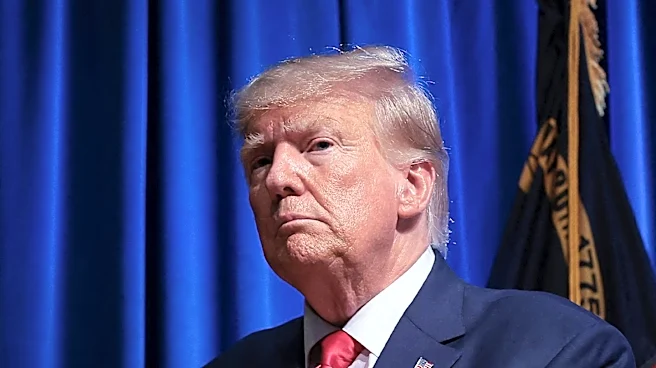
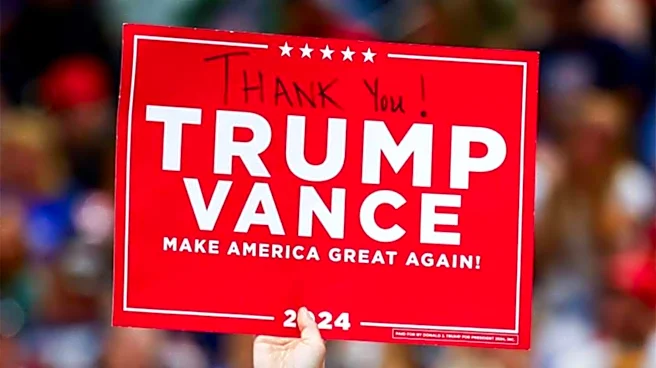
Professor Lane Kenworthy, Distinguished Professor of Sociology at the University of California, San Diego, suggests that 'Trumpism' may not be a permanent fixture in U.S. politics and could disappear if a more appealing agenda emerges. In an interview,
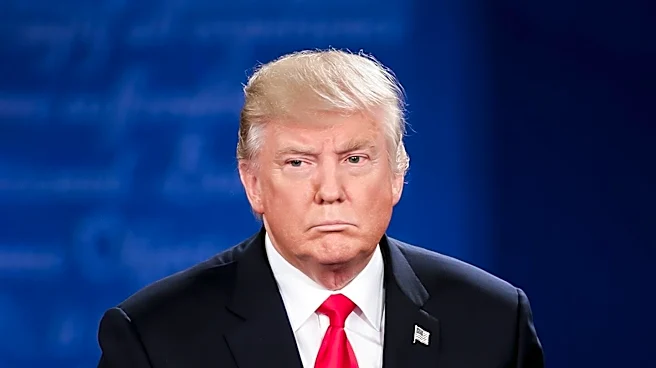
Kenworthy noted the Republican Party's susceptibility to ideological takeovers, citing shifts from 'compassionate conservatism' to the Tea Party and then to Trumpism. He also addressed the increasing political spending and influence of tech billionaires, such as Elon Musk and Peter Thiel, in shaping ideological and institutional directions. While acknowledging their growing power, Kenworthy remains cautious about labeling this a new era of plutocracy, suggesting it might be an aberration unique to President Trump's administration. He also highlighted that President Trump's major policy changes, such as immigration and tariffs, were driven more by President Trump himself and non-billionaire advisors rather than wealthy donors.
Why It's Important?
Professor Kenworthy's analysis offers a critical perspective on the evolving landscape of U.S. politics, particularly the potential impermanence of political movements like Trumpism. His insights into the fluidity of party identities and the impact of charismatic leaders are crucial for understanding future political realignments. The discussion on tech billionaires' influence raises significant questions about the nature of political power in the digital age. Their control over capital, platforms, algorithms, and information infrastructure could represent a qualitatively new form of elite power, potentially reshaping democratic processes and policy outcomes. This shift could lead to a re-evaluation of how wealth translates into political influence and whether existing regulatory frameworks are adequate to address these new forms of power.
What's Next?
The future of Trumpism, according to Kenworthy, will depend on whether its ideological commitments are genuinely deep or merely contingent, and if a more appealing political agenda arises. The 2026 midterms will serve as a crucial indicator of the movement's durability. Regarding the influence of tech billionaires, Kenworthy suggests that it is too early to definitively determine if this represents a new era of plutocracy or an aberration. Future political cycles will reveal whether their influence becomes institutionalized or if counterbalancing forces emerge. The ongoing debate about the role of money in politics, especially post-Citizens United, will likely intensify as tech wealth continues to grow and seek political leverage. The potential for new forms of agenda-setting and institutional capture by these wealthy individuals will require close monitoring and potential policy responses.
Beyond the Headlines
Kenworthy's observations delve into the deeper structural weaknesses of American political parties, making them vulnerable to sudden takeovers. This raises fundamental questions about party reform, internal democracy, and the mechanisms through which political agendas are formed and sustained. The emergence of tech billionaires as significant political actors also brings to light ethical considerations about the concentration of power and its potential impact on democratic ideals. The tension between individual wealth accumulation and the common good, particularly in the context of AI and information infrastructure, presents a complex challenge. The long-term implications could include a redefinition of political elites, with control over technology becoming as crucial as traditional economic or political capital, potentially leading to new forms of societal governance and influence.