







What's Happening?
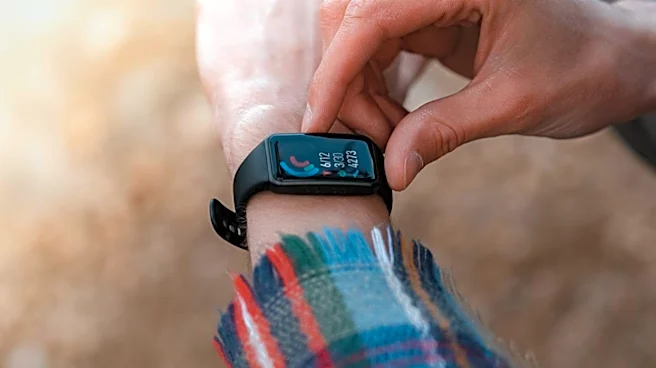
The use of wearable health technology among U.S. adults has significantly increased, rising from 30.2% in 2020 to 41.1% in 2024, according to national survey data published in JAMA Network Open. These devices, which include smartwatches, rings, chest
straps, and patches, track various health metrics such as heart rate, respiratory and metabolic systems, and sleep patterns. Despite this surge in adoption, only a small fraction of users, between 14.2% and 19.2%, share their collected data with their clinicians. An AMA/Medscape survey indicates that while 77% of U.S. physicians are considering integrating wearable data into clinical workflows, only 6% have actually done so. Nearly a third of physicians receive weekly requests to review patient wearable data, highlighting a growing desire from both patients and clinicians to utilize this information, yet a significant gap exists in its practical integration into healthcare systems.
Why It's Important?
The increasing adoption of wearable health technology signifies a shift towards more proactive and personalized health management by individuals. However, the low rate of data sharing with clinicians and the lack of integration into clinical workflows represent a missed opportunity for improving patient care and diagnostic precision. For patients, the ability to track real-time health changes offers greater control and understanding of their well-being, potentially leading to earlier detection of health issues. For the healthcare industry, effectively incorporating this patient-generated data could provide a more comprehensive view of a patient's health beyond periodic office visits. The current disconnect means that valuable insights from continuous monitoring are largely underutilized, hindering the potential for more informed clinical decisions and personalized treatment plans. Bridging this gap could lead to significant advancements in preventive care and chronic disease management.
What's Next?
The next phase in health data interoperability must focus on making patient-generated data useful within clinical settings. This involves establishing shared standards for wearable, at-home lab, and symptom data to ensure it can be integrated into patient charts as trends rather than isolated snapshots. Healthcare providers and technology developers will need to collaborate to provide context for raw numbers, helping both patients and clinicians understand the significance of changes in health metrics. Leveraging artificial intelligence (AI) is crucial for analyzing complex health patterns at scale, empowering both patients and doctors with actionable data for faster diagnostic insights. Furthermore, ensuring data portability and privacy by default, with records following patients between providers and apps, is essential, especially since much consumer health data falls outside HIPAA regulations, making explicit consent a primary concern.
Beyond the Headlines
The challenge of integrating wearable health data extends beyond technical interoperability; it touches upon ethical, legal, and cultural dimensions within healthcare. The current fragmentation of health information, even with increased access, can lead to information overload without understanding, potentially increasing patient anxiety. The emphasis on context over raw numbers highlights a need for a more holistic approach to health data interpretation, moving away from single data points to long-term trends against personal baselines. This shift could transform the traditional 15-minute doctor's visit into a more insightful and productive interaction, where data-backed questions lead to more targeted actions. The privacy implications of sharing sensitive health data, especially outside HIPAA, also raise critical questions about data governance and patient trust, necessitating robust consent mechanisms and transparent data handling practices.