


What's Happening?
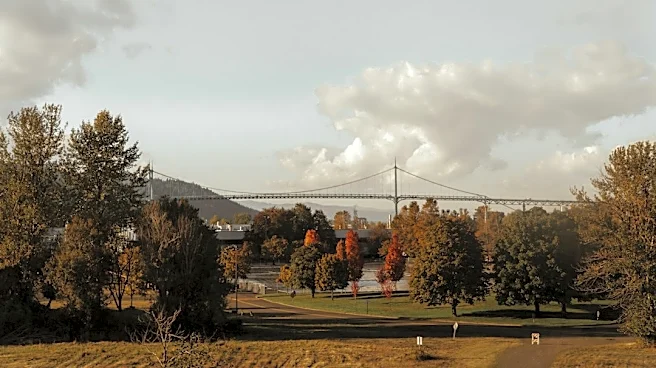
Highway 30 at the St. Johns Bridge in Portland, Oregon, was closed for several hours on a Wednesday morning due to an emergency response. First responders were dispatched around 6:40 a.m. A spokesperson for the Portland Police later confirmed that the incident
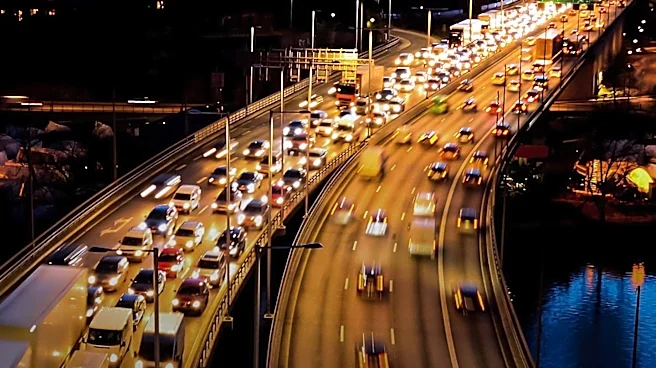
involved a person in crisis. The closure significantly impacted the morning commute, with the Oregon Department of Transportation (ODOT) advising drivers to seek alternative routes. The highway was reopened around 8:30 a.m. after the situation was safely resolved. This incident coincided with another significant traffic disruption, an I-5 southbound closure at the Rose Quarter in Portland, further exacerbating commute challenges for residents.
Why It's Important?
This incident highlights the critical role of emergency services in managing public safety and infrastructure in urban areas. The closure of a major highway like US-30, especially during peak commuting hours, underscores the vulnerability of urban transportation networks to unforeseen events. The involvement of a person in crisis also brings attention to the broader societal issue of mental health and the need for accessible resources. Such disruptions can lead to significant economic costs due to lost productivity from delayed commuters and increased strain on alternative routes. For Portland residents, these events emphasize the importance of real-time traffic updates and the need for robust public transportation options to mitigate the impact of road closures.
What's Next?
Following the safe resolution of the incident, authorities will likely review their response protocols to ensure efficiency and minimize future disruptions. The Portland Police Department may continue to monitor and address situations involving individuals in crisis, potentially collaborating with mental health services to provide appropriate support. ODOT will continue to manage traffic flow and provide updates on any ongoing or future roadwork that might affect commutes. For the public, the incident serves as a reminder to stay informed about local traffic conditions and to plan commutes accordingly, especially during peak hours. There may also be ongoing discussions within the community regarding mental health support and crisis intervention strategies.
Beyond the Headlines
The incident subtly points to the increasing intersection of public safety and mental health challenges in urban environments. The deployment of emergency services for a 'person in crisis' rather than a typical accident or hazard suggests a growing need for integrated approaches that combine law enforcement with mental health professionals. This situation could prompt further examination of how cities like Portland allocate resources for mental health support and crisis intervention, potentially leading to policy discussions about preventative measures and more specialized response teams. The disruption to daily life also underscores the often-unseen ripple effects of individual crises on community infrastructure and economic activity, highlighting the interconnectedness of societal well-being and urban functionality.