


What's Happening?
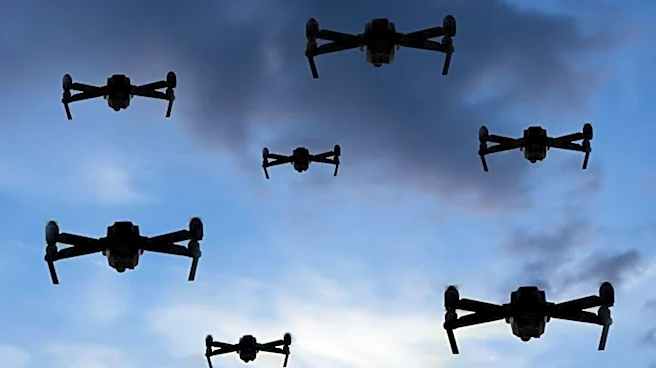
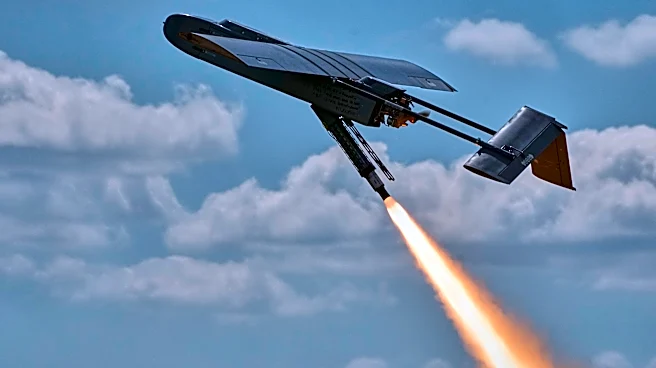
Russian authorities have arrested eight individuals in Moscow, alleging they were planning attacks using 35 drones equipped with explosives. These drones were reportedly smuggled from the European Union and intended to target a strategic defense enterprise
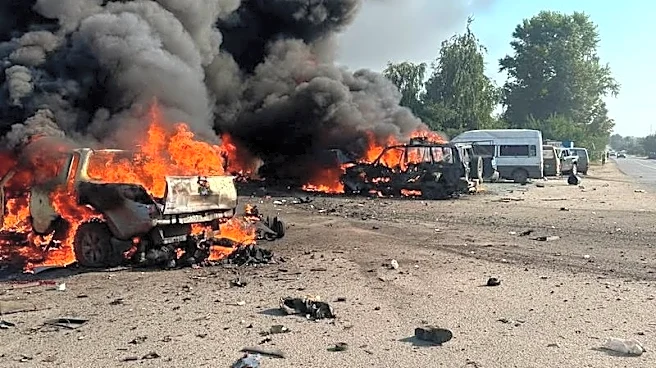
in the Moscow region. The Federal Security Service (FSB) stated that these individuals were working for Ukrainian special services. In a separate incident, a foreign national was detained in the Murmansk region. This individual is suspected of scouting trains carrying petroleum products at a Moscow railway station and administrative buildings in the Russian capital. The FSB claims this foreign national was also working for Ukrainian special services. These arrests follow recent Ukrainian drone attacks across Russia, which last week resulted in at least seven deaths and 13 injuries. Ukraine has not yet commented on these specific detentions.
Why It's Important?
These arrests highlight the ongoing and escalating covert operations and drone warfare targeting Russian territory, particularly strategic infrastructure and defense facilities. The alleged use of drones smuggled from the European Union suggests a complex network and supply chain, raising concerns about border security and the potential for further such incidents. The targeting of a defense enterprise indicates an attempt to disrupt Russia's military-industrial complex, which is crucial for its ongoing conflict. The detention of a foreign national for scouting critical infrastructure, including petroleum transport and government buildings, underscores the perceived threat of espionage and sabotage within Russia. These events contribute to heightened tensions and could lead to increased security measures and retaliatory actions, further destabilizing the region and impacting international relations.
What's Next?
Following these arrests, Russian authorities are likely to intensify their counter-intelligence and security operations to dismantle any remaining networks involved in planning attacks. There may be increased scrutiny at borders and within critical infrastructure sectors. The Russian government will likely use these incidents to bolster its narrative regarding external threats and justify further military actions or security crackdowns. Ukraine's response, or lack thereof, to these allegations will be closely watched, as it could influence international perceptions and diplomatic efforts. The international community may also face pressure to address the issue of drone smuggling and the potential for such weapons to be used in cross-border attacks, potentially leading to discussions on stricter controls and intelligence sharing.
Beyond the Headlines
The alleged drone attacks and arrests reveal a deeper dimension of the conflict, moving beyond conventional battlefields into a shadow war of sabotage and espionage within Russia's borders. The use of commercially available or easily modified drones for military purposes blurs the lines of traditional warfare and presents significant challenges for national security. The involvement of foreign nationals and the alleged smuggling of equipment from the EU could strain diplomatic relations and raise questions about the effectiveness of international security protocols. This trend suggests a future where conflicts are increasingly characterized by asymmetric tactics, making it difficult to attribute attacks and manage escalation. The psychological impact on the civilian population in Moscow, living under the constant threat of drone attacks, also represents a significant, though often overlooked, consequence of this evolving conflict.