







What's Happening?
A coalition representing hundreds of independent grocers has filed a lawsuit against New York City concerning Mayor Zohran Mamdani’s initiative to establish five city-owned grocery stores. The grocers argue that these taxpayer-backed stores could create
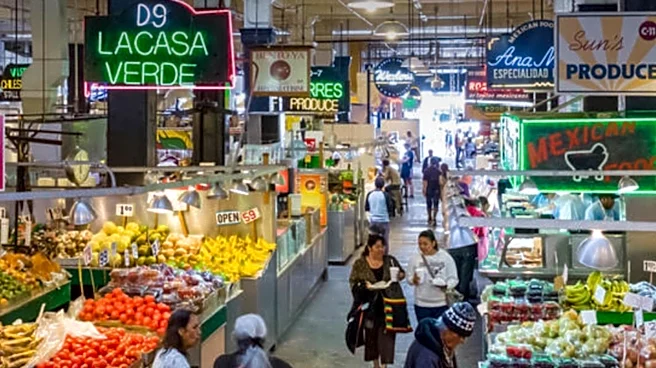
an unfair competitive disadvantage for existing neighborhood businesses. WNYC and Gothamist reporter Karen Yi is investigating the specifics of the lawsuit, the city's defense of its plan, and the potential for this experiment to ultimately reduce costs for both consumers and smaller grocers. The core of the dispute centers on whether government-operated grocery stores, intended to provide more affordable options, will inadvertently harm the private sector, particularly independent and minority-owned businesses that are already serving these communities.
Why It's Important?
This lawsuit highlights a significant debate regarding the role of government in direct market intervention, particularly in essential sectors like food retail. If the city-owned grocery stores proceed, they could set a precedent for other municipalities considering similar initiatives to address food deserts or high food costs. For consumers, the outcome could mean access to more affordable groceries, potentially alleviating financial strain. However, for independent grocers, especially those in minority communities, the competition from publicly funded stores could lead to reduced sales, job losses, and even business closures. This situation underscores the tension between public welfare goals and the principles of free-market competition, with potential long-term implications for urban economic development and the viability of small businesses.
What's Next?
The immediate next step will involve the legal proceedings of the lawsuit, where the independent grocers will present their arguments against Mayor Mamdani's plan, and the city will defend its initiative. The court's decision will be crucial in determining the future of the proposed city-owned grocery stores. Regardless of the legal outcome, this case is likely to spark further public discourse on food accessibility, affordability, and the balance between public and private sector involvement in providing essential services. Stakeholders, including community advocates, business associations, and city officials, will closely monitor the developments, potentially influencing similar policy discussions in other U.S. cities grappling with rising living costs and food insecurity.
Beyond the Headlines
Beyond the immediate legal and economic implications, this situation touches upon broader ethical and social considerations. The lawsuit raises questions about equitable economic development and whether government intervention, even with good intentions, can inadvertently harm vulnerable business owners. It also prompts a deeper examination of food systems in urban environments, including the challenges of ensuring access to healthy and affordable food for all residents without undermining existing community-based enterprises. The debate could also influence how cities approach public-private partnerships and the extent to which they should compete with, rather than support, local businesses. This case may serve as a critical test for innovative approaches to urban planning and social welfare, potentially reshaping how cities address economic disparities and community needs.