







What's Happening?
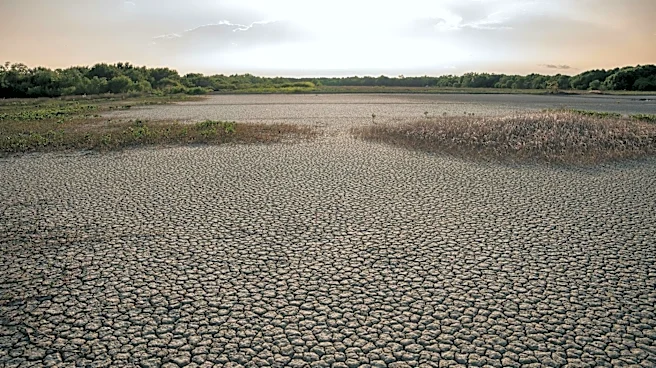
The United Nations' World Meteorological Organization (WMO) has issued a warning that a record-breaking hot year is almost certain by 2030 as the climate crisis intensifies. The report, produced by the UK Met Office for the WMO, predicts an 86% chance
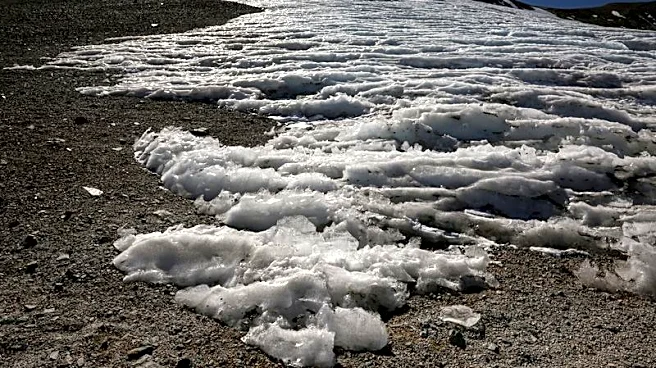
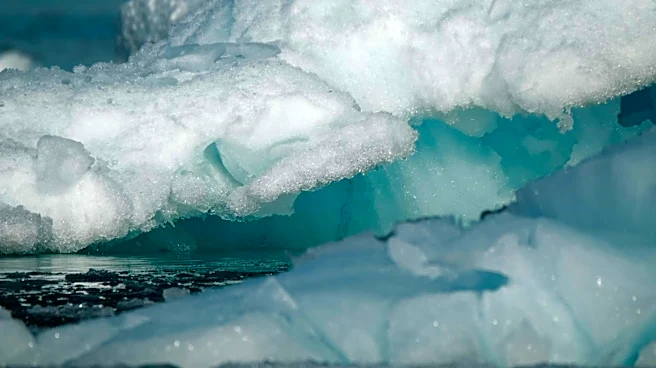
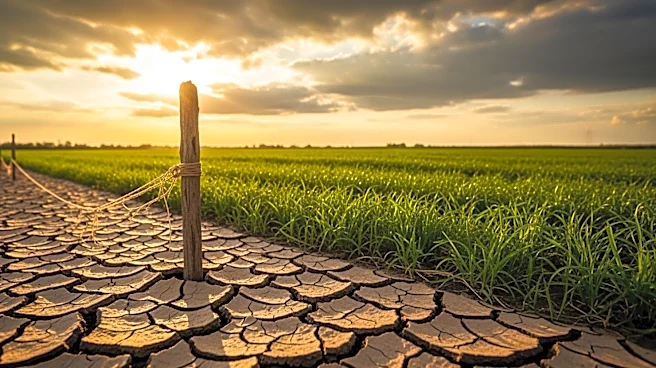
that at least one year between 2026 and 2030 will surpass 2024 as the hottest ever recorded. The global temperature is expected to exceed 1.5 degrees Celsius above pre-industrial levels, with a 75% chance of this occurring between 2026 and 2030. This surpasses the Paris Agreement's target and could lead to more severe heatwaves, droughts, storms, and floods. The Arctic is projected to warm 3.5 times faster than the global average, exacerbating the melting of sea ice. The WMO report also highlights the role of the El Niño weather pattern, which is expected to boost global temperatures further.
Why It's Important?
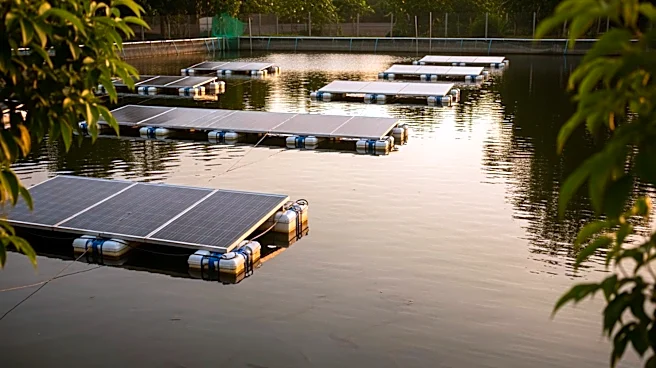
The potential for record-breaking temperatures underscores the urgent need for global action to mitigate climate change. The anticipated rise in temperatures could have severe consequences for human health, agriculture, and ecosystems. The report emphasizes the importance of reducing carbon dioxide emissions from fossil fuels, which continue to rise and contribute to extreme weather events. The findings highlight the need for nations to accelerate their transition to clean energy sources, which are now cheaper and faster to produce than fossil fuels. Failure to address these issues could result in significant economic and social costs, as communities struggle to adapt to more frequent and intense weather events.
What's Next?
With the likelihood of an El Niño event later this year, global temperatures could reach new highs as soon as 2027. This development may prompt governments and international organizations to intensify their efforts to combat climate change. The WMO report suggests that urgent action is needed to keep the weaker 2C target within reach, as the 1.5C target is now unlikely to be met. Policymakers may need to implement more aggressive measures to reduce emissions and invest in climate adaptation strategies to protect vulnerable communities and ecosystems.