


What's Happening?
The World Food Programme (WFP) is actively seeking a Programme Policy Officer to develop an early warning strategy for famine, disaster, and nutrition in Afghanistan. This initiative comes in response to a severe food security and nutrition crisis affecting
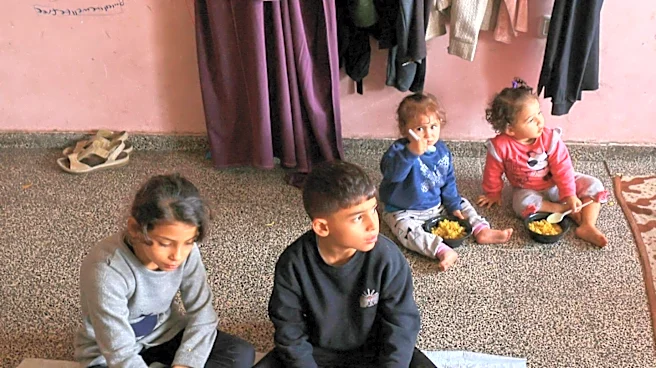
the country. Between March and June 2026, nearly two-thirds of Afghan communities experienced worsening food security conditions, despite seasonal improvements. The situation is exacerbated by factors such as returnee influxes, displacement, conflict, natural hazards, and declining household access. Health and nutrition conditions have also deteriorated due to persistent malnutrition, disease outbreaks, poor water quality, and weak health services. The WFP aims to strengthen early warning systems to translate food security and nutrition analysis into timely, evidence-based programming and operational responses for vulnerable populations.
Why It's Important?
The appointment of a Programme Policy Officer is crucial for addressing Afghanistan's ongoing food security challenges. With 13.8 million people experiencing crisis levels of acute food insecurity, and projections indicating worsening conditions during the lean season, the need for effective early warning systems is critical. The role will help WFP and its partners anticipate and respond to food security shocks, ultimately improving resilience and reducing reliance on humanitarian assistance. This initiative is vital for ensuring that food assistance reaches those in need and for supporting long-term stability and prosperity in Afghanistan.
What's Next?
The selected Programme Policy Officer will lead the development and implementation of a comprehensive early warning and GIS workstream. This includes managing operational partnerships, external representation, and project management. The officer will also be responsible for strengthening early warning capacities within WFP and its partners, ensuring that analysis drives concrete changes in programming. The role requires considerable independence and initiative, with a focus on geographical targeting and near real-time monitoring of food security drivers.