






What's Happening?
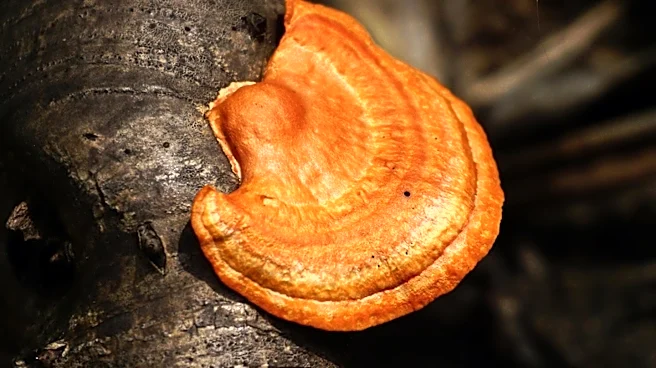
Research into the efficacy of turkey tail mushroom (Trametes versicolor) as a cancer treatment for dogs, particularly for splenic hemangiosarcoma, has yielded limited and conflicting results. A 2012 pilot study involving 15 dogs with splenic hemangiosarcoma suggested
a potential benefit in survival time for dogs receiving the highest dose of a specific polysaccharopeptide (PSP) extract. However, a larger 2022 trial involving 101 dogs with the same condition did not find that adding PSP to doxorubicin chemotherapy improved survival. In fact, female dogs given PSP alone had significantly shorter survival than those receiving doxorubicin with a placebo. The evidence suggests that turkey tail mushroom is an unproven complementary supplement and has not been shown to shrink tumors, cure cancer, or replace established treatments like surgery, chemotherapy, or radiation in any dog study.
Why It's Important?
This information is crucial for pet owners and veterinarians considering complementary therapies for canine cancer. The lack of definitive evidence for turkey tail mushroom's effectiveness means that relying on it as a primary treatment or as a substitute for conventional veterinary care could lead to delayed or inadequate treatment, potentially worsening a dog's prognosis. While the supplement appears well-tolerated, its unproven benefits highlight the importance of consulting with a veterinary oncologist before incorporating any supplement into a cancer treatment plan. The findings also underscore the need for rigorous scientific studies to validate health claims, especially for products marketed to vulnerable populations like pets with serious illnesses.
What's Next?
Given the current evidence, veterinary oncologists will likely continue to advise caution regarding the use of turkey tail mushroom as a standalone cancer treatment for dogs. Pet owners are encouraged to discuss any supplements with their veterinarian, particularly if their dog is undergoing chemotherapy or other medical treatments, due to potential drug interactions. Future research may explore specific compounds within turkey tail mushroom or its potential role in supportive care, but for now, established treatments remain the recommended course of action for canine cancers. The focus will remain on evidence-based therapies, with supplements considered only as complementary, and under veterinary guidance.
Beyond the Headlines
The debate surrounding turkey tail mushroom for canine cancer reflects a broader challenge in integrative veterinary medicine: balancing traditional or complementary remedies with scientific evidence. Many pet owners seek natural alternatives, driven by a desire to avoid harsh side effects of conventional treatments or a belief in holistic approaches. However, the lack of robust, peer-reviewed studies for many such supplements can create a gap between anecdotal claims and proven efficacy. This situation highlights the ethical responsibility of manufacturers to conduct thorough research and for veterinarians to provide clear, evidence-based guidance. It also points to the need for greater public education on evaluating health claims for pet products, ensuring that decisions are made based on scientific data rather than marketing or personal beliefs.