






What's Happening?
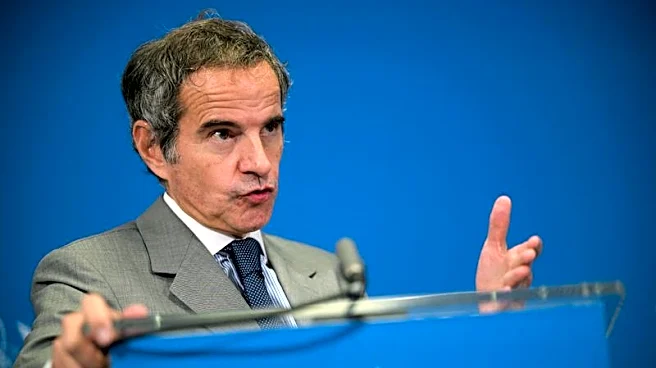
Recent reports indicate that negotiations between the United States and Iran regarding Iran's nuclear program have made significant progress on several key issues. According to U.S. officials, the discussions have moved beyond initial deliberations and are
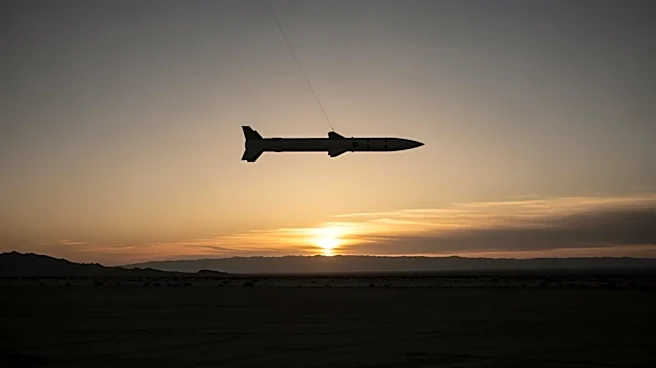
now focused on four main points: a 15-year suspension of uranium enrichment, dilution of Iran's enriched uranium, dismantling of nuclear facilities, and expanding international inspections. The Trump administration had initially demanded a 20-year halt on enrichment, but a 15-year agreement is now expected. Despite recent U.S. strikes on Iran, President Trump expressed optimism about reaching a 'very good' deal. The strikes were described by U.S. Central Command as a proportional response to Iranian aggression, specifically the downing of a U.S. Army Apache helicopter over the Strait of Hormuz.
Why It's Important?
The progress in U.S.-Iran nuclear talks is crucial as it could lead to a significant reduction in nuclear tensions in the Middle East. A successful agreement would potentially halt Iran's nuclear ambitions for a substantial period, thereby contributing to regional stability. For the U.S., achieving a deal aligns with broader non-proliferation goals and could improve diplomatic relations with Iran. However, the recent military strikes highlight ongoing tensions and the fragile nature of these negotiations. The outcome of these talks could have wide-ranging implications for international security and U.S. foreign policy, affecting allies and adversaries alike.
What's Next?
The next steps in the U.S.-Iran negotiations will likely involve finalizing the terms of the agreement and addressing any remaining points of contention. The international community, particularly countries in the Middle East, will be closely monitoring these developments. Potential reactions from major stakeholders, including European allies and regional powers, could influence the final outcome. Additionally, the implementation of the agreement will require careful monitoring and verification to ensure compliance by Iran, which may involve further diplomatic engagement and coordination with international bodies like the International Atomic Energy Agency.