







What's Happening?
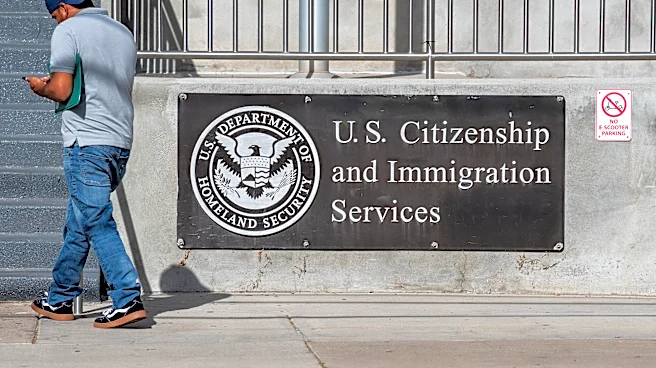
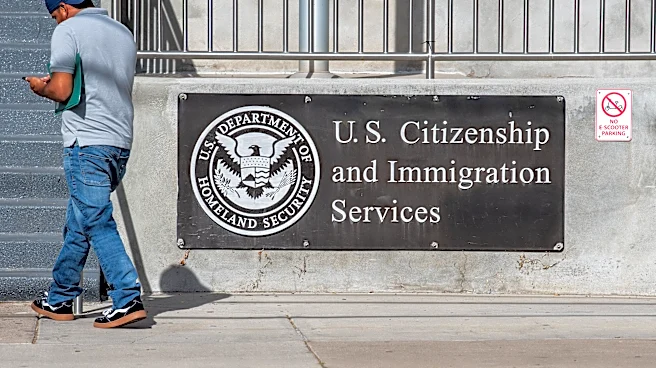
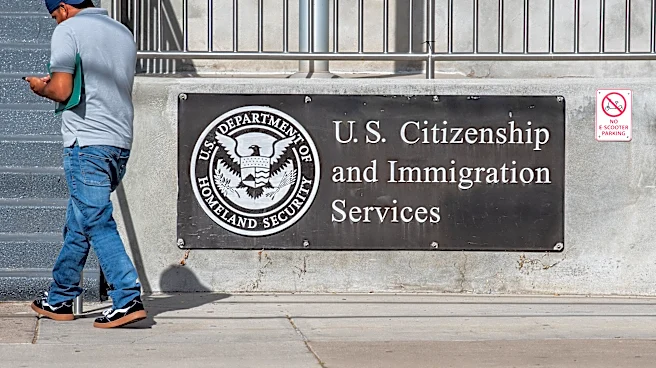
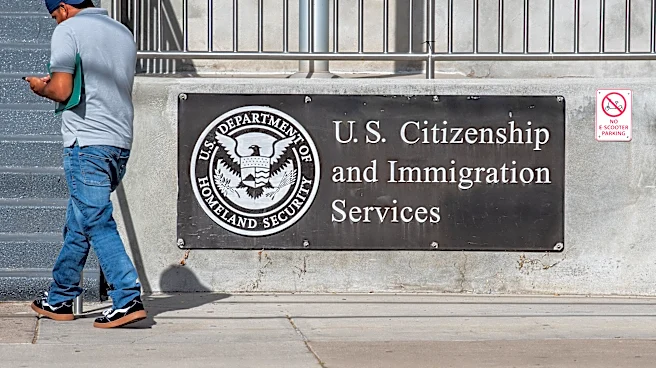
U.S. Citizenship and Immigration Services (USCIS), under the Department of Homeland Security (DHS), has issued a new policy memo on November 4, 2026, outlining additional criteria that can disqualify lawful permanent residents from meeting the 'good moral
character' requirement for naturalization. Previously, good moral character was primarily assessed based on a clean criminal record, tax compliance, and support for dependents. The new memo expands this scrutiny to include an applicant's entire immigration history, even prior to obtaining a Green Card. Significantly, applicants will now be questioned about their adherence to obligations stemming from Affidavits of Support submitted for sponsoring foreign nationals. If a sponsored immigrant is found to have become dependent on welfare, the naturalization applicant could face questions regarding their moral character and potential liability for government funds disbursed to the sponsored individual. Furthermore, if the applicant themselves received public assistance, USCIS will investigate whether they genuinely qualified for those benefits or attempted to exploit the system. Unlawful voter registration or voting as a noncitizen also remain significant hazards for applicants.
Why It's Important?
This policy change by USCIS has substantial implications for individuals seeking U.S. citizenship, particularly those who have sponsored others for immigration or have received public assistance. The expanded scope of 'good moral character' assessment introduces new complexities and potential hurdles in the naturalization process. Applicants who previously believed their moral character was unblemished based on older criteria may now find themselves under increased scrutiny. The potential for liability related to Affidavits of Support could deter future sponsorships, impacting family-based immigration. Moreover, the detailed examination of public assistance receipt could disproportionately affect vulnerable populations who may have legitimately relied on such aid. This shift underscores a more stringent approach to naturalization, potentially leading to longer processing times and a higher rate of denials for certain applicants, thereby affecting the demographic composition of new U.S. citizens.
What's Next?
Applicants for naturalization, especially those with a history of sponsoring immigrants or receiving public assistance, are strongly advised to consult with an experienced immigration attorney before submitting their N-400 Application for Naturalization. Legal counsel can help assess how their background aligns with the new moral character disqualifiers and identify potential risks, including application denial or even placement in removal proceedings. As this new policy is implemented, further information and clarifications from USCIS are anticipated. The legal community will likely monitor the application of these new rules and their impact on naturalization cases, potentially leading to legal challenges or advocacy for policy adjustments. The memo's implications will continue to unfold as USCIS officers apply these expanded criteria in practice.
Beyond the Headlines
The USCIS policy memo reflects a broader trend towards increased scrutiny in immigration processes, emphasizing accountability for sponsors and beneficiaries alike. Beyond the immediate impact on naturalization applicants, this change could foster a climate of caution among potential sponsors, potentially reducing the number of individuals willing to undertake Affidavit of Support obligations due to the heightened risk of future liability. This could, in turn, affect the ability of some foreign nationals to immigrate to the U.S. The policy also raises questions about the balance between ensuring system integrity and providing a pathway to citizenship for eligible individuals, particularly those who may have faced economic hardship. The detailed examination of past public assistance use could be perceived as punitive by some, potentially discouraging individuals from seeking necessary aid for fear of future immigration consequences.