






What's Happening?
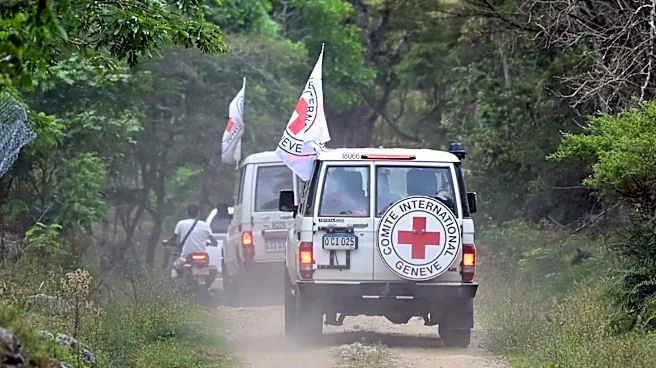
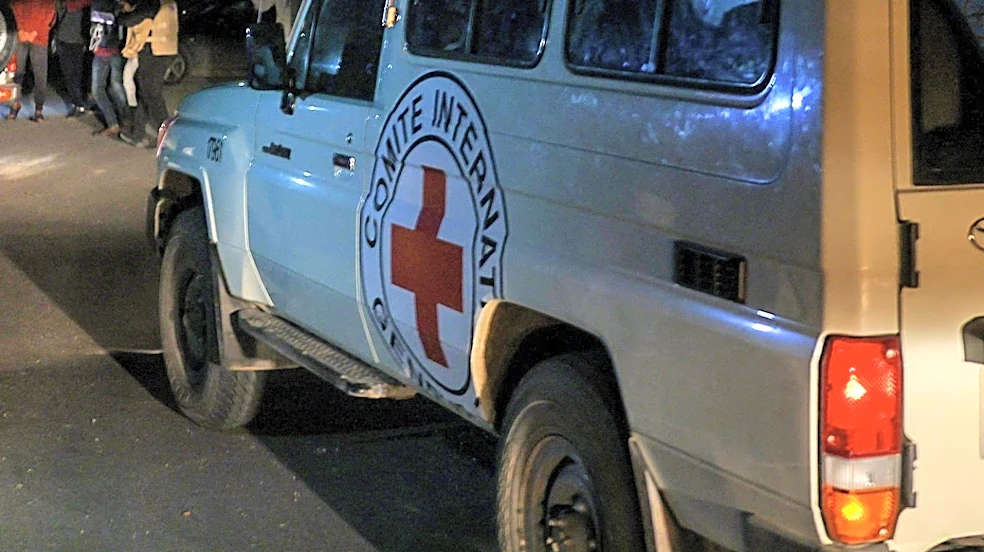
The International Committee of the Red Cross (ICRC) is consistently advocating for the inclusion of humanitarian exceptions in relevant counterterrorism legislation, UN Security Council Resolutions, and UN sanctions. The ICRC emphasizes that its core
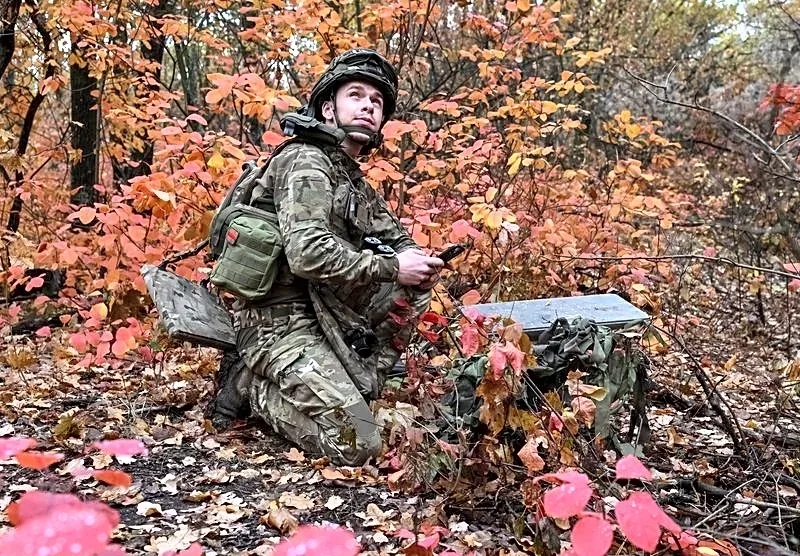
function is to protect and assist vulnerable people during armed conflict, which often requires access to difficult and sensitive areas. However, current counterterrorism laws can criminalize communication with certain organizations, even when such contact is necessary for humanitarian work. The ICRC argues that while states can prosecute individuals for terrorist offenses, the principles of International Humanitarian Law (IHL) must still apply during armed conflict, ensuring humane treatment for detainees and access for humanitarian organizations. The organization works with armed forces globally to integrate IHL into their operational practices.
Why It's Important?
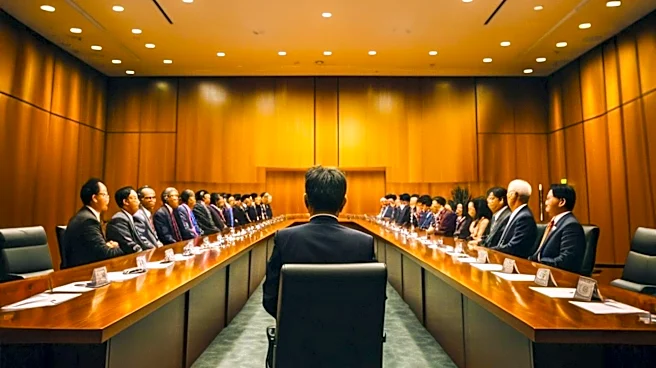
This initiative is crucial for maintaining humanitarian space and ensuring that aid can reach those in need during armed conflicts. Without humanitarian exceptions, organizations like the ICRC face legal impediments that hinder their ability to provide essential services, such as medical aid, food, and protection, to civilians and combatants alike. The ICRC's work is vital for upholding the Geneva Conventions and mitigating the human cost of war. The call for these exceptions highlights a tension between national security concerns and humanitarian imperatives. If counterterrorism measures inadvertently obstruct humanitarian efforts, it can exacerbate suffering and prolong conflicts, ultimately undermining broader goals of peace and stability. This impacts the U.S. by influencing its foreign policy, military engagements, and humanitarian aid strategies in conflict zones.
What's Next?
The ICRC will continue its dialogue with states, armed forces, and international bodies, including the UN Security Council, to integrate humanitarian exceptions into counterterrorism frameworks. This involves ongoing advocacy and technical discussions to ensure that legal frameworks are designed to allow humanitarian action without compromising security objectives. The organization will also persist in its role as a neutral intermediary in conflicts, facilitating the release of hostages and detainees. Future efforts will likely focus on educating military and police forces on IHL principles and their application in counterterrorism operations, aiming to strike a balance between security and humanitarian concerns. The goal is to ensure that IHL remains paramount in all armed conflict scenarios.
Beyond the Headlines
The debate over humanitarian exceptions in counterterrorism laws touches upon fundamental ethical and legal dilemmas. It questions how societies balance the need to combat terrorism with the imperative to protect human dignity and alleviate suffering. The 'Global War on Terror' following 9/11 brought these issues to the forefront, as the lines between combatants and terrorists became blurred, and the application of IHL was challenged. The ICRC's stance underscores the importance of preserving the integrity of IHL, arguing that abandoning these principles, even in the name of counterterrorism, can lead to a loss of moral high ground and legal legitimacy. This has long-term implications for international law, human rights, and the conduct of future conflicts, influencing how the U.S. and other nations engage in global security efforts.