




What's Happening?
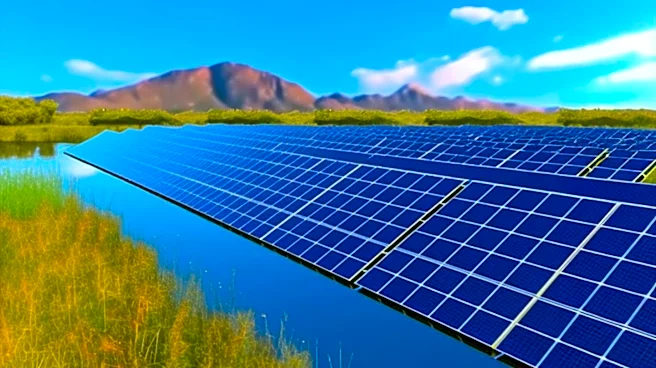
A 17-year-old Chilean student, María Javiera Valenzuela, has proposed an innovative hybrid energy system aimed at reducing carbon emissions at Antarctic research stations. Her concept integrates renewable energy sources, such as wind turbines and solar
panels, with a next-generation nuclear microreactor. This system is designed to provide a reliable power supply in the harsh Antarctic environment, where traditional diesel generators are commonly used. The proposal estimates a reduction of 3,254 tons of carbon dioxide emissions annually. While the idea is still a student-led concept, it highlights the potential environmental benefits of reducing fossil fuel use in polar regions. The proposal was developed as part of Chile's 2026 Antarctic School Fair, showcasing the role of young minds in addressing real-world environmental challenges.
Why It's Important?
The proposal is significant as it addresses the critical issue of energy sustainability in Antarctica, a region heavily reliant on diesel fuel for power. Diesel not only contributes to carbon emissions but also poses logistical challenges due to the difficulty of transporting fuel to remote locations. By suggesting a hybrid system, the student highlights a potential pathway to reduce environmental impact while ensuring energy reliability. This concept could inspire further research and development in hybrid energy systems, particularly in remote and extreme environments. The proposal also underscores the importance of involving young people in scientific innovation and environmental problem-solving.
What's Next?
For the proposal to move beyond a theoretical concept, it would require extensive research, regulatory approval, and compliance with the Antarctic Treaty System. Practical challenges such as transporting reactor components, ensuring operational safety, and managing radioactive waste would need to be addressed. The idea could spark broader scientific discussions and inspire similar initiatives aimed at reducing fossil fuel dependency in remote areas. The student's involvement in science competitions and educational programs may also encourage other young innovators to contribute to sustainable energy solutions.