






What's Happening?
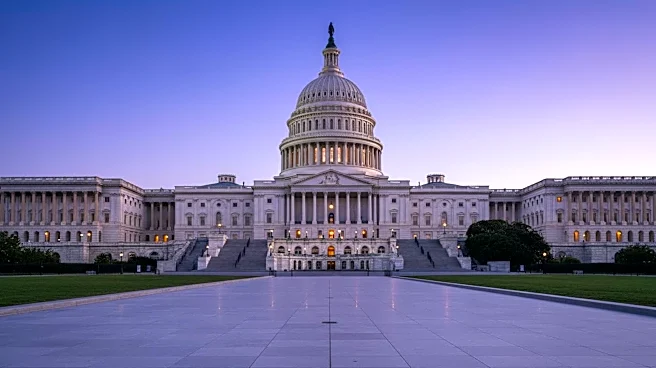
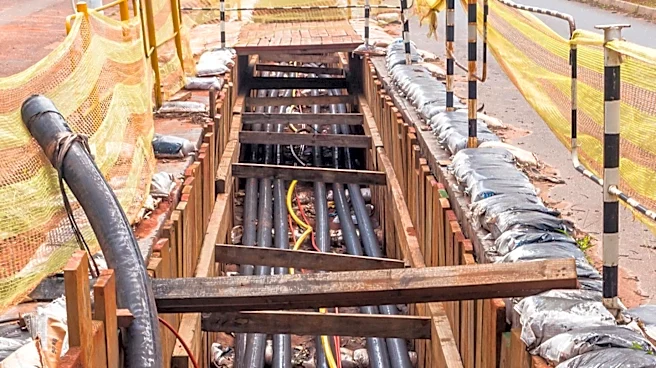
A recent change in Kentucky law, House Bill 542, is projected to delay Newport's long-anticipated U.S. 27 and Carothers Road improvement project by an additional two years, pushing its bid date from early 2027 to 2029. The legislation, originally focused
on agricultural and conservation easements, inadvertently removed a provision governing the 'Minor Acquisition Review' process. This deletion now mandates full appraisals for temporary construction easements on federally funded transportation projects that involve private property, a requirement that previously did not exist. Newport Assistant City Manager Brian Steffen stated that this change will add 18 to 24 months for each property requiring such easements. The project, aimed at enhancing traffic and pedestrian safety, has already faced numerous setbacks over the years. Newport officials, including Mayor Tom Guidugli Jr., expressed frustration over the continuous delays and rising costs, with Vice Mayor Julie Smith-Morrow questioning the project's overall feasibility.
Why It's Important?
This legislative change has significant implications for infrastructure development across Kentucky, particularly for locally administered transportation projects receiving federal funding. The new requirement for full appraisals on temporary construction easements will not only extend project timelines but also substantially increase costs. For instance, Newport's Monmouth Street sidewalk paver project saw its environmental and engineering budget escalate from approximately $8,000 to $80,000 due to similar additional requirements. This cost increase is particularly concerning for projects like U.S. 27, which have been in development for a decade, as construction prices have risen while grant funding has remained stagnant. The scarcity of certified appraisers capable of performing pre- and post-project appraisals further exacerbates the issue, creating a bottleneck for project progression. This situation highlights how seemingly unrelated legislative changes can have far-reaching, unintended consequences on critical public works, impacting local economies and the efficiency of state and federal funding allocations.
What's Next?
Newport city officials are actively engaging with legislators and the Ohio-Kentucky-Indiana Regional Council of Governments (OKI) in an effort to reinstate the deleted provision in state law. They anticipate that correcting this issue will likely require another legislative change when lawmakers reconvene in Frankfort. In the interim, the Kentucky Transportation Cabinet's general counsel has interpreted the new law to require the additional appraisal process, and this guidance has been issued statewide. This means that without a legislative fix, all affected projects will proceed under the new, more time-consuming and expensive requirements. City officials are also considering scaling back portions of the U.S. 27 project, particularly around the underpass, to manage costs and delays. However, such reductions would not eliminate the new appraisal requirements for temporary construction easements, meaning the core scheduling problem would persist. The ultimate completion of the U.S. 27 project hinges on legislative action and the city's ability to navigate these new regulatory hurdles.
Beyond the Headlines
The situation in Newport underscores a broader challenge in legislative processes where bills, intended for specific purposes, can have unforeseen and detrimental impacts on unrelated sectors. House Bill 542, titled around agricultural and conservation easements, inadvertently created a significant impediment for transportation infrastructure. This highlights the complexity of legal drafting and the need for comprehensive impact assessments across various domains before new laws are enacted. The reliance on a limited pool of certified appraisers for these new requirements also exposes a potential vulnerability in the state's capacity to execute large-scale infrastructure projects efficiently. Furthermore, the ongoing delays and cost overruns could erode public trust in government's ability to deliver essential services and infrastructure improvements. This incident serves as a case study for how legislative oversight and inter-agency communication are crucial to prevent unintended consequences that can stall progress and strain public resources.