


What's Happening?
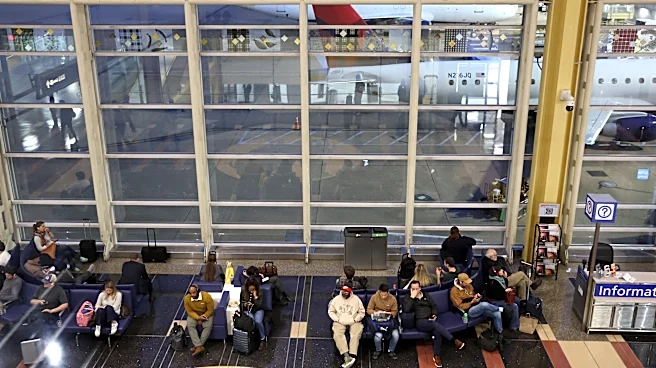
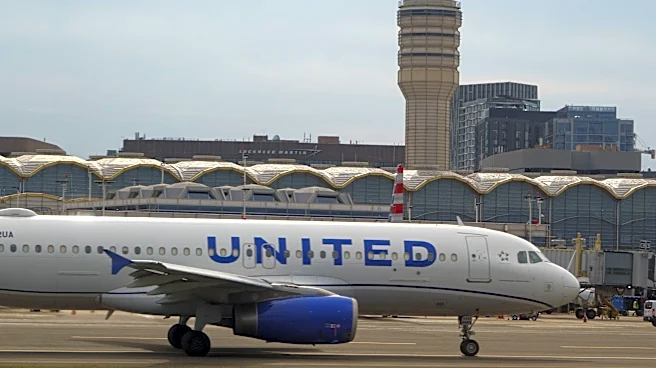
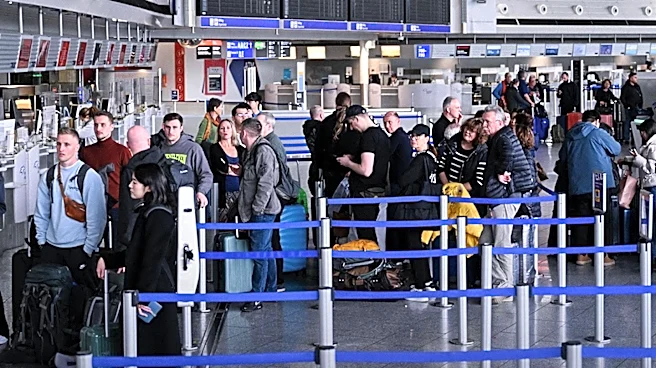
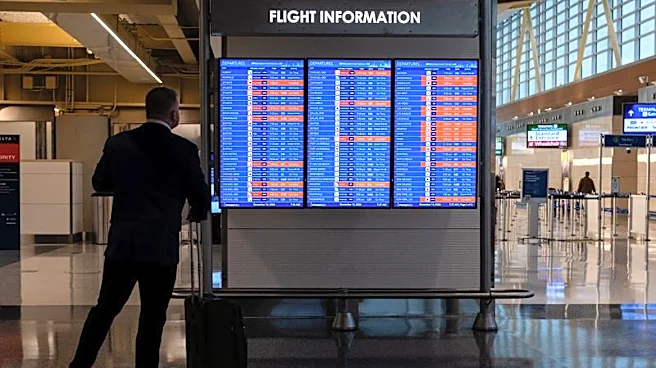
United Airlines is issuing travel waivers to customers affected by a nationwide ground stop ordered by the Federal Aviation Administration (FAA). The FAA initiated the ground stop for all departing flights on Friday due to a communication issue impacting
all Air Route Traffic Control Centers. As a result, new domestic flights are not departing, while international departures are being managed on a case-by-case basis. Although United flights already airborne are continuing, diversions are occurring due to the high number of airplanes on the ground at the airline's hubs. The airline stated that cancellations are being implemented due to congestion in the nation’s air traffic system. Customers whose flights have been affected can reschedule their trips, with United waiving change fees and fare differences. The new flight must be a United flight departing between Friday and November 20, in the same cabin and between the same cities as originally booked. As of 5 p.m. Friday, the ground stop remained in effect, with no clear timeline for its lifting.
Why It's Important?
This nationwide ground stop significantly impacts air travel across the United States, causing widespread disruptions for passengers and airlines. For United Airlines, the issuance of travel waivers is a critical measure to mitigate customer dissatisfaction and manage the operational fallout from the FAA's directive. The congestion in the air traffic system, leading to cancellations and diversions, highlights vulnerabilities within the national aviation infrastructure. The financial implications for airlines like United could be substantial, encompassing lost revenue from cancellations, costs associated with rebooking passengers, and potential compensation for extended delays. Furthermore, the incident underscores the critical role of robust communication systems within air traffic control, as a single communication issue can cascade into a national aviation standstill, affecting thousands of flights and travelers.
What's Next?
The immediate next step involves the FAA lifting the nationwide ground stop, though the timeline for this remains unknown. Once the ground stop is lifted, airlines, including United, will face the challenge of clearing the backlog of delayed and canceled flights, which could lead to continued disruptions for several days. Passengers affected by the ground stop will need to utilize the travel waivers to rebook their flights, with United specifying that new flights must depart by November 20. The FAA is expected to conduct a thorough investigation into the communication issue that triggered the ground stop, potentially leading to new protocols or technological upgrades to prevent similar incidents in the future. Airlines will also be assessing the financial impact and adjusting their operational strategies to manage future unforeseen disruptions.
Beyond the Headlines
The incident raises broader questions about the resilience and modernization of the U.S. air traffic control system. A communication issue capable of grounding all domestic flights points to potential systemic vulnerabilities that could have far-reaching economic and national security implications. Beyond the immediate inconvenience to travelers, such disruptions can ripple through various sectors, affecting business travel, supply chains, and tourism. The reliance on a complex, interconnected air traffic system means that a single point of failure can lead to widespread paralysis. This event may accelerate discussions and investments in upgrading air traffic control technology and infrastructure, potentially involving advanced AI systems, to enhance reliability and prevent future occurrences of this magnitude. The incident also highlights the importance of clear and timely communication from authorities and airlines to the public during such crises.