





What's Happening?
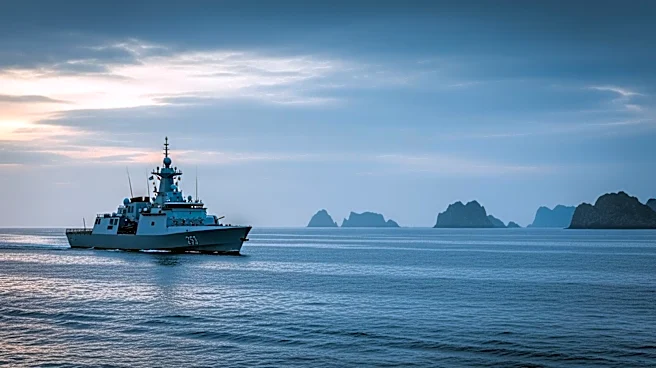
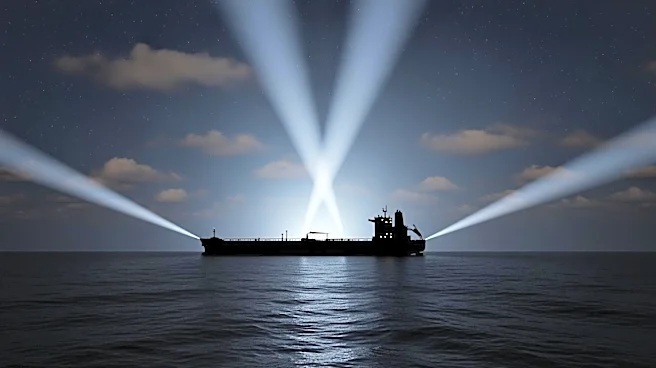
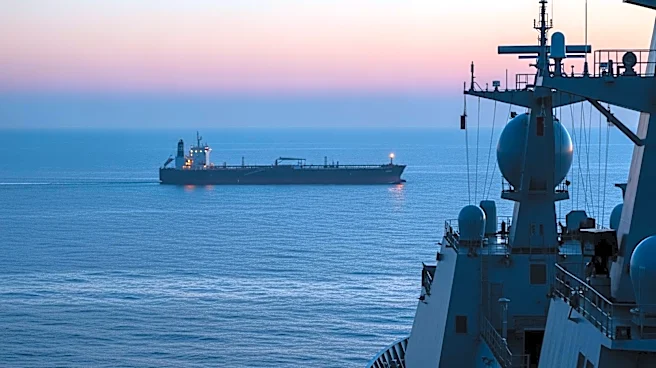
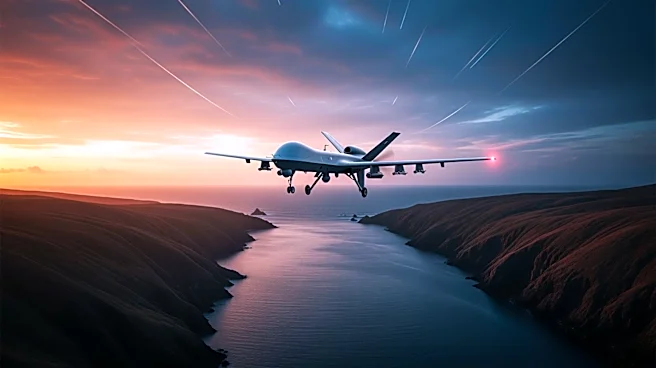
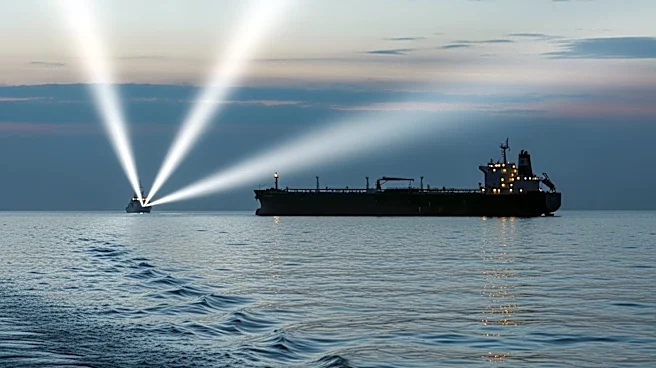
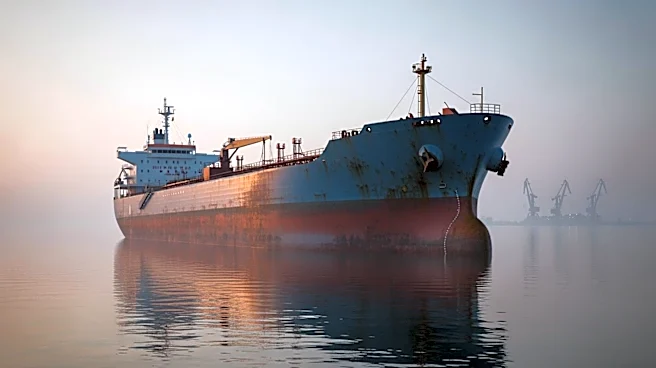
The U.S. Navy has disabled an oil tanker, the M/T Marivex, in the Gulf of Oman for allegedly violating a blockade against Iran. The Palau-flagged vessel, traveling without cargo, failed to comply with U.S. forces' directions and was struck by a precision
munition from an F/A-18 Super Hornet. This action is part of a broader naval blockade initiated on April 13, aimed at enforcing sanctions against Iran. To date, U.S. forces have disabled seven non-compliant ships, while over 100 vessels have complied and been redirected. Humanitarian aid ships have been allowed to pass.
Why It's Important?
The U.S. Navy's enforcement of the blockade against Iran underscores the ongoing tensions in the Gulf region and the U.S.'s commitment to maintaining pressure on Iran. The disabling of the Marivex highlights the potential for military confrontations and the risks associated with maritime navigation in the area. This action could impact global oil markets, as the Gulf of Oman is a critical route for oil exports. The blockade and subsequent military actions may also influence diplomatic relations between the U.S., Iran, and other regional stakeholders, potentially affecting broader geopolitical dynamics.
What's Next?
The U.S. is likely to continue its enforcement of the blockade, with potential for further military engagements if vessels fail to comply. This could lead to increased tensions with Iran and other countries in the region. Diplomatic efforts may be necessary to de-escalate the situation and prevent further disruptions to maritime trade. The international community, particularly countries reliant on Gulf oil exports, will be closely monitoring developments. The situation may also prompt discussions on the effectiveness and consequences of sanctions and blockades as tools of foreign policy.