






What's Happening?
The Indianapolis Zoo recently lost its accreditation from the Association of Zoos and Aquariums (AZA). This decision followed a rigorous review process that assesses various aspects of zoo operations, including animal care, safety protocols, documentation,
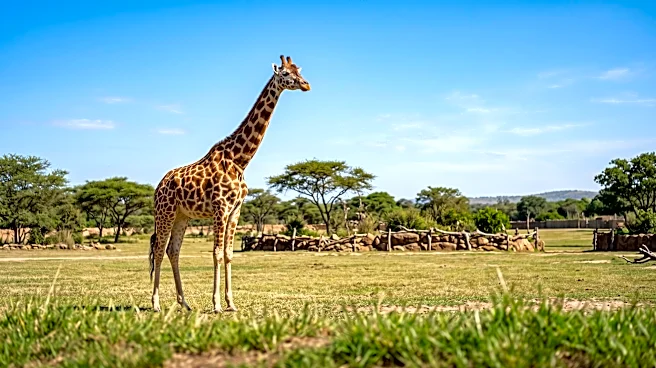
communication, and internal procedures. According to multiple staff members at the zoo, the loss of accreditation is attributed to behind-the-scenes communication and documentation issues, rather than concerns about animal welfare. Despite the change in accreditation status, the zoo is reportedly operating normally from a visitor's perspective. Animals are active and visible in their habitats, exhibits are open, and staff interactions remain friendly and helpful. The zoo has stated its intention to address the identified issues and work towards regaining its AZA accreditation.
Why It's Important?
The loss of AZA accreditation, while not directly impacting daily visitor experience or animal welfare in this specific instance, carries significant implications for the Indianapolis Zoo's reputation and its standing within the zoological community. AZA accreditation is a hallmark of excellence, signifying adherence to high standards of animal care, conservation, education, and research. For zoos, this accreditation often influences public trust, funding opportunities, and participation in cooperative breeding programs for endangered species. While the zoo asserts that animal care has not declined, the perception of a loss of accreditation could potentially affect visitor numbers and donor support in the long term. It also highlights the critical importance of robust internal communication and meticulous documentation in maintaining operational integrity and meeting industry benchmarks.
What's Next?
The Indianapolis Zoo is actively working to resolve the communication and documentation issues that led to the loss of its AZA accreditation. The immediate next steps will likely involve a comprehensive review and overhaul of its internal procedures, with a focus on improving inter-departmental communication and ensuring all necessary documentation meets AZA standards. The zoo will then need to reapply for accreditation and undergo another rigorous evaluation process. This could involve site visits, detailed audits, and interviews with staff. The timeline for regaining accreditation is not specified, but the zoo's commitment to the process suggests a proactive approach to restoring its status within the AZA community. Visitors can expect the zoo to continue operating as usual while these internal efforts are underway.
Beyond the Headlines
The situation at the Indianapolis Zoo underscores a broader challenge faced by large, complex organizations: the critical role of administrative and procedural excellence in supporting core missions. While the public often focuses on visible aspects like animal welfare, the underlying systems of communication and documentation are equally vital for long-term success and accountability. This event could prompt other accredited institutions to review their own internal processes to prevent similar issues. It also raises questions about the balance between maintaining high operational standards and the potential for administrative oversights to impact an institution's public image and professional standing, even when its primary mission, such as animal care, remains uncompromised. The incident serves as a reminder that accreditation is not just about what is seen, but also about the unseen structures that ensure consistent quality and ethical practice.