
What's Happening?
NOAA Fisheries, in collaboration with the Atlantic States Marine Fisheries Commission, will host the 2027 National Saltwater Recreational Fisheries Summit. This two-day event will bring together saltwater
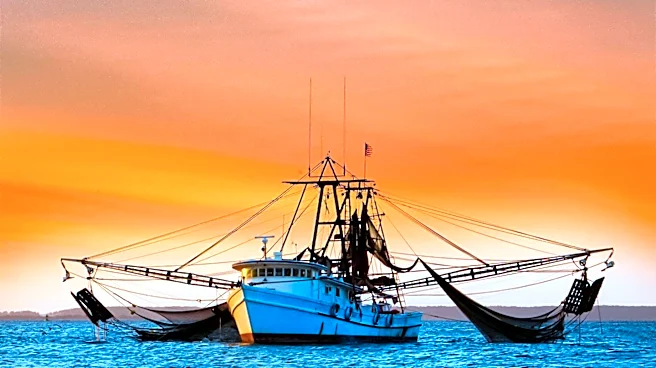
recreational fishermen, industry members, scientists, and managers from across the United States and its territories. The summit aims to foster a shared understanding of challenges facing U.S. fisheries, collaboratively identify actionable solutions, and strengthen relationships among stakeholders. Key themes for discussion include Recreational Data Modernization, Angler-Informed Research, and Sustaining Recreational Fishing Opportunities, which will explore the impact of fishing efficiency, effort, and technology. The summit will provide a platform for participants to learn about and contribute to the modernization of recreational fisheries data collection, engage in cooperative research and citizen science initiatives, and examine how technological advancements influence fishing and fisheries management. The event will feature national and regional voices from various sectors, including for-hire and private fishing, fishing clubs, associations, and industry representatives, alongside fishery scientists and managers.
Why It's Important?
This summit is crucial for the future of saltwater recreational fishing in the U.S., an industry that significantly contributes to the national economy and provides recreational opportunities for millions. By addressing issues like data modernization and angler-informed research, the summit seeks to improve the scientific basis for fisheries management, leading to more sustainable practices and healthier fish populations. Enhanced data collection and research, involving direct participation from fishermen, can increase confidence in management decisions and ensure that policies are grounded in real-world observations. Furthermore, understanding and adapting to technological advancements in fishing is vital for maintaining both the sustainability of fish stocks and the economic viability of the recreational fishing sector. The collaborative approach, bringing together diverse stakeholders, is essential for developing comprehensive solutions that balance conservation needs with the interests of the fishing community, ultimately safeguarding this important natural resource and economic driver for future generations.
What's Next?
The 2027 National Saltwater Recreational Fisheries Summit is scheduled to take place, with room block details to be announced shortly. Following the summit, the insights and collaborative solutions developed will likely inform future policy decisions and management strategies for U.S. saltwater recreational fisheries. The discussions on Recreational Data Modernization are expected to contribute to the ongoing development of a regionally flexible and nationally coherent data collection system, refining and expanding existing programs. Recommendations from the Angler-Informed Research sessions could lead to increased cooperative research and citizen science initiatives, empowering anglers to contribute more directly to scientific data collection. The examination of fishing efficiency, effort, and technology will likely guide how managers and scientists utilize new technologies to support abundant fisheries, sustainable fishing opportunities, and a strong recreational fishing economy. The outcomes of the summit are anticipated to influence the actions of NOAA Fisheries, state agencies, and various fishing organizations in the coming years.
Beyond the Headlines
The summit's focus on integrating angler knowledge and citizen science into fisheries management represents a broader shift towards more inclusive and participatory governance models in natural resource management. This approach acknowledges the invaluable, on-the-ground expertise of fishermen, moving beyond traditional top-down regulatory frameworks. By empowering anglers to contribute to data collection and research, the initiative not only enhances the accuracy and completeness of scientific information but also fosters a stronger sense of ownership and responsibility among the fishing community for conservation efforts. This collaborative paradigm can lead to greater compliance with regulations and more effective conservation outcomes, as stakeholders are directly involved in shaping the policies that affect them. Furthermore, the emphasis on technology's role in both fishing and management highlights the ongoing challenge of balancing innovation with sustainability, prompting ethical considerations about the impact of advanced tools on fish populations and the equitable distribution of fishing opportunities.