








What's Happening?
A recent RentCafe report indicates that Fort Wayne apartment hunters are experiencing a mixed market, characterized by longer leasing times but a limited selection of available units. Apartments in Fort Wayne are now taking an average of 39 days to fill,
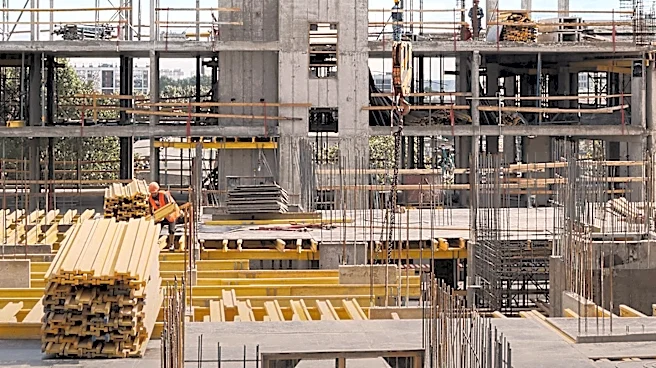
a three-day increase from the previous summer, offering prospective renters more time to make decisions. However, this slower pace is coupled with a high lease renewal rate of 71.1%, the highest recorded in the past four peak seasons. This means fewer existing apartments are becoming available as current tenants opt to stay, and the market is not seeing an influx of new units from construction during the current peak rental season.
Why It's Important?
This trend in Fort Wayne's rental market has significant implications for both renters and the local housing economy. While longer leasing times might seem beneficial, the high renewal rate and flat apartment supply create a bottleneck, limiting choices for those seeking new housing. This situation can lead to increased competition for the few available units, potentially driving up rental prices in the long term, even if the immediate pace of leasing has slowed. For the local economy, a constrained housing market can impact workforce mobility and attract new residents, potentially hindering economic growth. Developers might also face challenges in bringing new units online, contributing to the supply-demand imbalance.
What's Next?
The current dynamics in Fort Wayne's rental market suggest that renters will continue to face challenges in finding new apartments despite having more time to search. Without an increase in new apartment construction or a significant shift in lease renewal patterns, the limited supply is likely to persist. This could prompt local policymakers to explore incentives for housing development or review zoning regulations to encourage more construction. Renters may need to adjust their expectations, potentially considering a wider range of options or preparing for longer search periods. The market will likely remain tight until new supply can meet the demand from a growing population and those seeking to relocate.