



What's Happening?
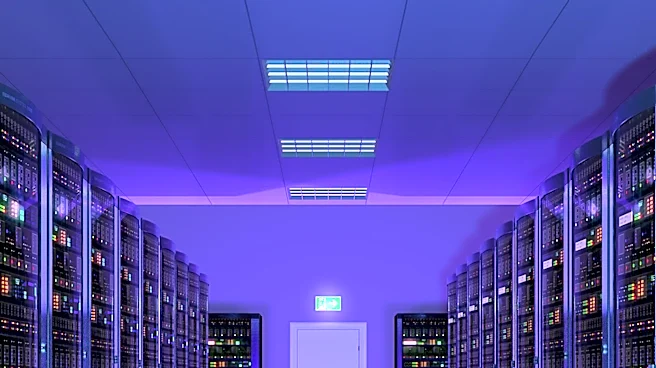
Panama City commissioners held a public hearing to discuss a proposed one-year moratorium on the construction of large-scale data centers within the city. This pause aims to temporarily halt development by blocking new construction permits for such facilities.
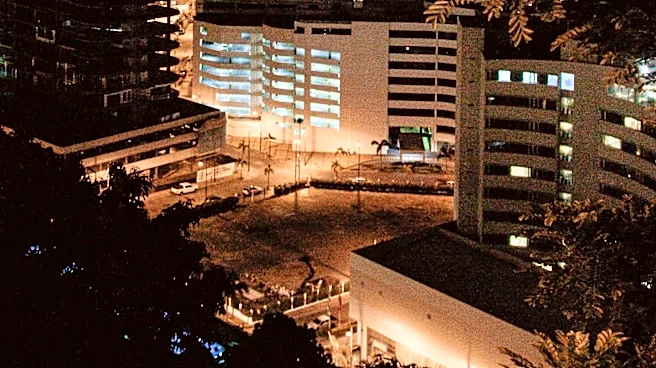
The primary motivation behind this proposed moratorium is to allow city leaders to address significant concerns related to water and power infrastructure, as well as the potential impact on local neighborhoods. Commissioner Brian Gringer, Ward 3, stated that the moratorium would provide the necessary time to work through these major concerns and develop a comprehensive solution for the future integration of data centers into the city. This hearing marks the first of two scheduled discussions on the issue, indicating a deliberate approach to policy-making regarding technological infrastructure development.
Why It's Important?
This proposed moratorium is important for Panama City as it highlights a growing challenge faced by many municipalities: balancing technological advancement with existing infrastructure capabilities and community well-being. The rapid expansion of data centers, while bringing potential economic benefits, places considerable strain on local resources, particularly water and electricity. By implementing a temporary halt, Panama City aims to proactively mitigate potential crises related to resource scarcity and ensure sustainable development. This decision could set a precedent for other U.S. cities grappling with similar issues, emphasizing the need for careful planning and regulatory frameworks before approving large-scale industrial projects. The outcome will influence future urban planning strategies and resource management policies in areas experiencing tech industry growth.
What's Next?
Following the initial public hearing, Panama City commissioners are scheduled for a second hearing to further discuss the proposed one-year moratorium on data centers. During this period, city leaders intend to conduct a thorough assessment of the city's water and power infrastructure capacities and evaluate the potential long-term impacts of data centers on local neighborhoods. The goal is to formulate a permanent solution and a clear framework for future data center development. This process will likely involve consultations with utility providers, urban planners, environmental experts, and community stakeholders to ensure a balanced approach that supports both economic growth and environmental sustainability. The final decision will determine the trajectory of technological infrastructure development in Panama City for the foreseeable future.
Beyond the Headlines
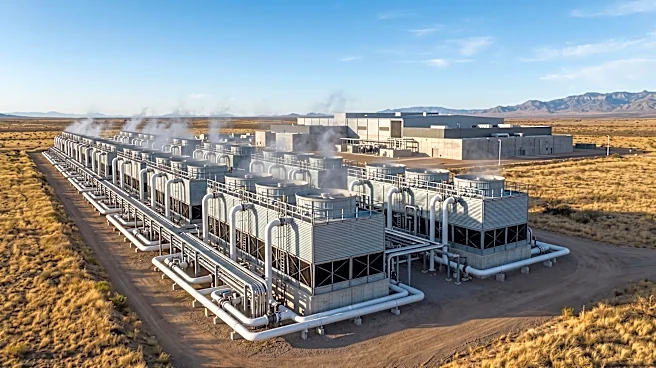
The Panama City moratorium on data centers reflects a broader national conversation about the environmental footprint and resource demands of the digital economy. Data centers are energy-intensive operations, consuming vast amounts of electricity and often requiring significant water for cooling. This raises ethical questions about resource allocation, especially in regions prone to water shortages or with aging power grids. The city's proactive stance underscores a shift towards more responsible and sustainable urban development, where the environmental and social costs of technological progress are carefully weighed against economic benefits. This could lead to increased pressure on tech companies to adopt more eco-friendly practices and for municipalities to develop stricter environmental regulations for new industrial developments, potentially influencing national policy discussions on green technology and infrastructure.