





What's Happening?
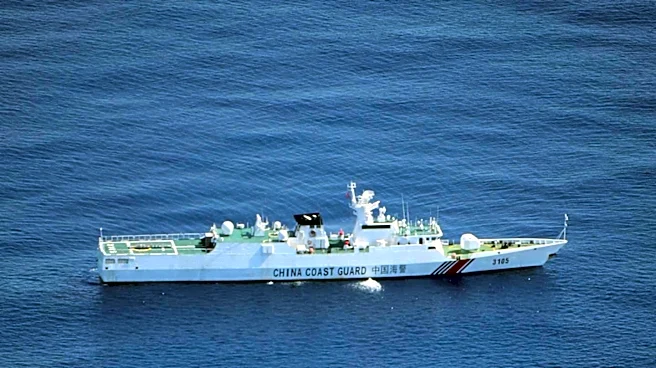
Canada and the U.S. have been closely monitoring two Chinese icebreaking research ships, Xue Long and Xue Long 2, in Arctic waters off Alaska. These ships have been operating in the region, raising concerns among security and defense officials due to their
advanced sonar and telemetry capabilities, which can track environmental changes and submarine activity. The Canadian military, alongside the U.S. Coast Guard, has been actively observing the movements of these vessels, reflecting heightened vigilance in response to China's increasing interest in the Arctic. This situation has prompted Canada to invest in new destroyers and Arctic-capable submarines, as well as deploy an undersea network of sensors to safeguard its sovereignty.
Why It's Important?
The presence of Chinese research ships in the Arctic highlights the strategic importance of the region, as countries vie for influence and access to its resources. This development underscores the geopolitical tensions surrounding Arctic sovereignty and the potential for resource exploitation. The monitoring efforts by Canada and the U.S. reflect concerns over China's intentions and the need to protect national interests in the face of foreign incursions. The situation may lead to increased military and surveillance activities in the Arctic, influencing international relations and defense strategies.
What's Next?
Canada and the U.S. are likely to continue their surveillance efforts, potentially enhancing their military presence in the Arctic to deter foreign activities. The situation may prompt diplomatic discussions on Arctic governance and resource management, as countries seek to establish norms and agreements to prevent conflicts. The international community will be watching closely, as the Arctic becomes a focal point for geopolitical competition and collaboration.