






What's Happening?
The state of Arizona has established three infested zones in Cochise and Greenlee counties as of November 6, following the confirmation of four New World screwworm cases in horses, a dog, and a sheep. This action is part of a federal response playbook
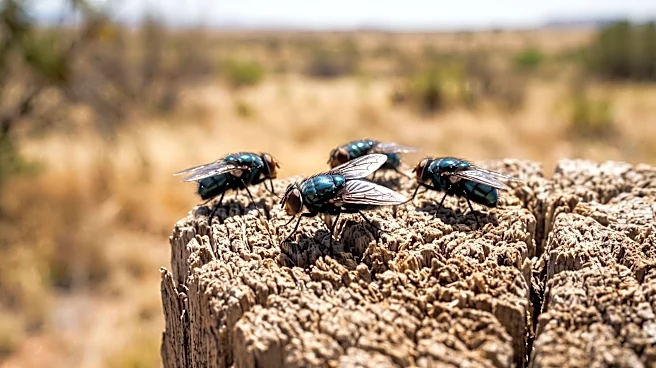
being closely followed by Arizona to manage the spread of the pest. The New World screwworm is a fly that lays its eggs in cuts, wounds, and orifices of warm-blooded animals. The larvae then burrow into the flesh, causing painful wounds. Infested animals are quarantined on their premises, meaning they cannot leave for 21 days or until their wounds are fully healed. Healthy animals can move off infested premises after inspection. Within infested zones, livestock without signs of screwworm can move freely but require a movement permit and inspection to leave the zone. Healthy pets also need inspection and must meet destination treatment requirements before leaving Arizona. Pet owners in infested zones are urged to use monthly preventive treatments.
Why It's Important?
The establishment of these infested zones is crucial for protecting Arizona's livestock industry and wildlife from the New World screwworm. This pest can cause significant economic losses for ranchers due to animal health issues and movement restrictions. The federal playbook emphasizes the importance of Premises Identification Numbers (PINs) for livestock, especially for interstate movement. States are increasingly requiring official identification for animals from areas with screwworm outbreaks, meaning Arizona ranchers may face restrictions on selling or transporting animals out of state if they do not comply. This could severely impact the economic viability of livestock operations. The spread of screwworm also poses a threat to wildlife populations, potentially disrupting ecosystems and requiring extensive control measures. The measures taken aim to prevent broader economic and ecological damage by containing the outbreak.
What's Next?
Infested zones are expected to remain in place for at least 84 days, which is approximately four screwworm life cycles, after the last detection. This duration can be extended by environmental factors, such as cold weather, which slows fly development. The boundaries of these zones may change if no additional cases are detected in certain areas. Surveillance zones, which are 12.4-mile buffers around infested zones, will continue to be used to heighten public awareness and increase outreach to livestock producers, pet owners, and hunters. Officials will also bolster surveillance efforts in these areas, including the use of trail cameras and drone flights to monitor wildlife. Continued cooperation from ranchers and pet owners in adhering to inspection and treatment protocols will be critical in controlling the spread and eventually eradicating the screwworm from the affected areas.
Beyond the Headlines
The New World screwworm outbreak highlights the ongoing challenges of managing invasive species and their potential impact on agriculture and natural ecosystems. The reliance on a federal playbook and the emphasis on Premises Identification Numbers underscore the need for standardized, coordinated responses to animal disease outbreaks across state lines. This situation also brings to light the delicate balance between agricultural economic interests and wildlife conservation, as both are vulnerable to the screwworm. The requirement for PINs, while sometimes met with producer concerns, reflects a broader trend towards enhanced traceability in the livestock industry, driven by biosecurity needs. The long-term success of eradication efforts will depend not only on immediate control measures but also on sustained public awareness and adherence to biosecurity protocols, potentially influencing future agricultural policy and animal health regulations.