





What's Happening?
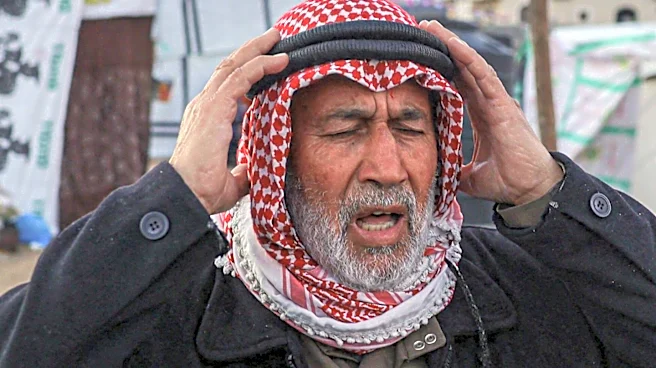
Somali traditional elders, including sultans, clan leaders, peace envoys, and intellectuals, convened in Mogadishu to express their appreciation for Turkey's consistent support to Somalia over the years. They highlighted Turkey's significant contributions
across various sectors, such as humanitarian aid, healthcare, education, infrastructure development, and social services. The elders specifically recalled Turkey's crucial assistance during periods of severe drought and famine, noting that this support has been instrumental in the country's rebuilding efforts. The bilateral ties between Somalia and Turkey expanded considerably after 2011, following a visit by then-Turkish Prime Minister Recep Tayyip Erdogan to Mogadishu amidst a devastating famine. This visit marked Erdogan as the first non-African leader in nearly two decades to visit Somalia during the peak of a humanitarian crisis. The elders emphasized that the relationship extends beyond governmental cooperation, encompassing long-standing social and cultural interactions between the two nations.
Why It's Important?
This commendation from Somali elders underscores the profound impact of international humanitarian and development aid on nations facing prolonged hardship. Turkey's sustained engagement in Somalia, particularly its focus on rebuilding infrastructure and providing essential services, demonstrates a model of foreign assistance that fosters long-term stability and self-reliance rather than just short-term relief. For the U.S. and other international actors, this highlights the importance of comprehensive and consistent aid strategies that address multiple facets of societal needs, from immediate humanitarian crises to sustainable development. The positive reception of Turkey's efforts by local leaders suggests that aid delivered with cultural sensitivity and a commitment to local empowerment can build strong, lasting diplomatic relationships and contribute significantly to regional stability. This approach can serve as a valuable case study for improving the effectiveness and impact of global humanitarian initiatives.
What's Next?
The meeting in Mogadishu concluded with calls for further strengthening bilateral relations between Somalia and Turkey. The elders advocated for continued cooperation based on mutual respect, shared interests, and projects that deliver tangible benefits to Somali communities. This suggests a future trajectory where Turkey may deepen its involvement in Somalia's development and security partnerships, moving beyond purely humanitarian assistance into broader strategic areas. Other international partners and aid organizations might observe this successful model of engagement, potentially influencing their own approaches to aid and development in fragile states. The ongoing collaboration could lead to new initiatives in security, economic development, and further expansion of social services, aiming to solidify Somalia's path toward recovery and stability.
Beyond the Headlines
The enduring relationship between Somalia and Turkey, as praised by Somali elders, reveals a deeper narrative about the effectiveness of long-term, multi-faceted international aid. It illustrates how humanitarian assistance, when coupled with development projects, can transcend immediate crisis response to foster national rebuilding and strengthen diplomatic ties. This model challenges the conventional view of aid as merely a temporary solution, instead presenting it as a catalyst for sustained growth and stability. The emphasis on 'social ties and interaction between the two peoples' suggests that cultural exchange and people-to-people connections are vital components of successful international cooperation, building trust and mutual understanding that can outlast political shifts. This approach offers valuable insights for global humanitarian efforts, emphasizing the importance of holistic engagement that respects local contexts and empowers communities.