



What's Happening?
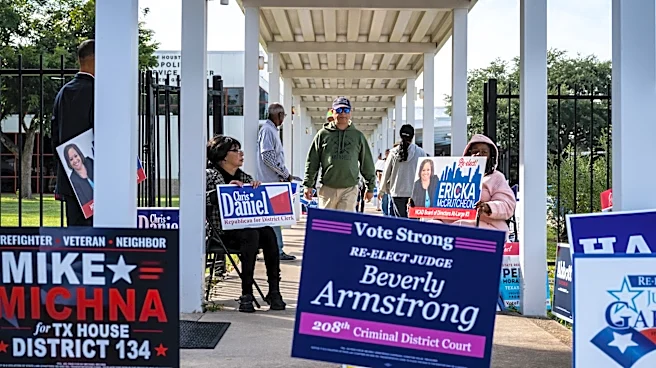
The Kenosha County Clerk's office has issued a notice regarding the General Election scheduled for Tuesday, November 3, 2026. This election will determine various legislative and county-level offices, including Governor/Lieutenant Governor, Attorney General,
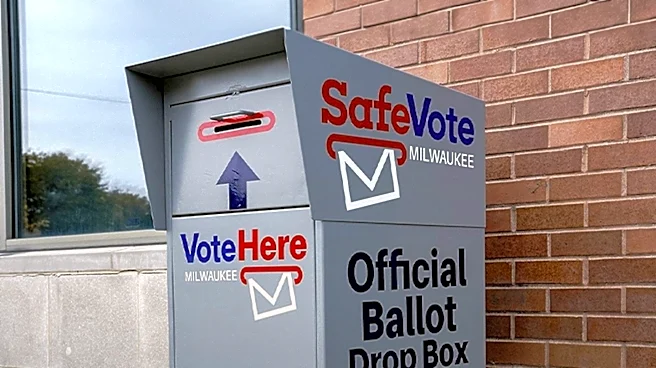
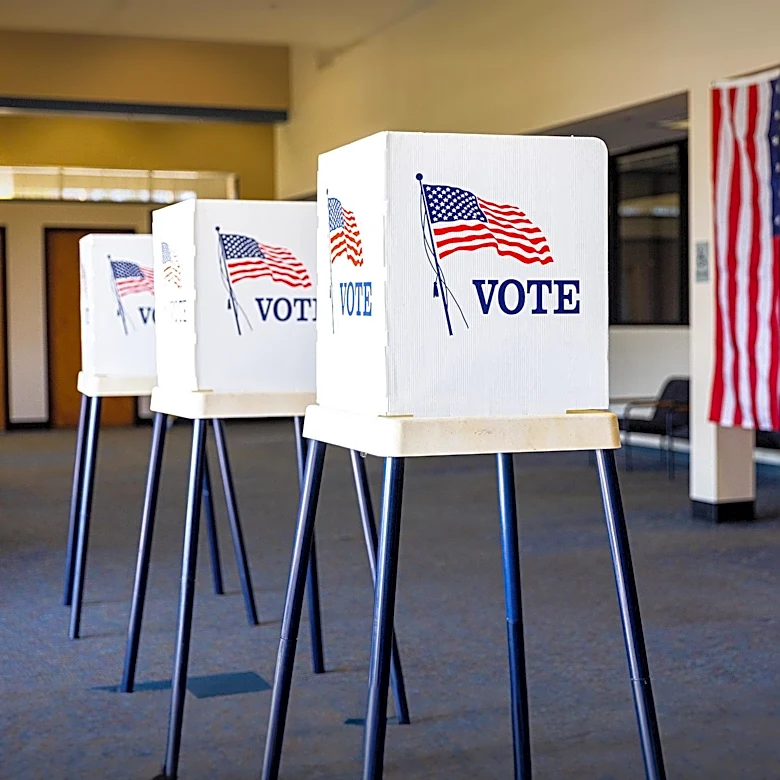
Secretary of State, State Treasurer, Representative in Congress District 1, State Senator District 11, Representative to the Assembly Districts 32, 64, and 65, Sheriff, and Clerk of Circuit Court. Voters will also decide on three statewide referendums concerning partial veto authority, freedom to gather in places of worship during emergencies, and prohibiting governmental entity discrimination based on race, sex, color, ethnicity, or national origin. Additionally, two school district referendums for Trevor-Wilmot Consolidated Grade School District and Twin Lakes #4 School District are on the ballot. Polling places across Kenosha County will be open from 7:00 AM to 8:00 PM, and voters are required to state their name and address, show acceptable photo identification, and sign the poll book. Assistance for voting is available for those unable to read or with disabilities, and same-day voter registration is offered with proof of residence.
Why It's Important?
This upcoming General Election in Kenosha County is significant as it will shape the political landscape at both state and local levels. The outcomes of the legislative and county races will directly influence policy-making, resource allocation, and governance within Wisconsin and Kenosha County. The statewide referendums, in particular, carry substantial weight. The question on the Governor's partial veto authority could redefine executive power in the state, impacting future legislative processes and budget decisions. The referendum on religious liberty during emergencies addresses fundamental rights and could set precedents for how the state responds to future crises. Furthermore, the anti-discrimination referendum could lead to significant changes in public employment, education, contracting, and administration, potentially affecting various demographic groups and promoting greater equity or sparking debates over affirmative action. The school district referendums will directly impact local education funding and programming, affecting students, parents, and property taxpayers in those districts.
What's Next?
Following the General Election on November 3, 2026, the Election Inspectors at each polling place will convene as the Local Canvassing Board to conduct the local canvass. This meeting will be open to the public. Subsequently, a joint meeting of the Local Board of Canvassers and the Municipal Board of Canvassers will take place to conduct the local and municipal canvasses. The County Board of Canvassers is scheduled to meet on Monday, November 9, 2026, at 9:00 AM at the Kenosha County Center to certify the official results of the General Election. Voters with questions about their polling place are advised to contact their municipal clerk. The certified results will finalize the elected officials and the outcomes of the referendums, leading to the implementation of new policies and the formation of new governmental bodies.
Beyond the Headlines
The referendums on the ballot in Kenosha County reflect broader national discussions on governmental powers, individual liberties, and social equity. The partial veto referendum touches upon the delicate balance of power between the executive and legislative branches, a recurring theme in American governance. The religious liberty question during emergencies highlights ongoing debates about the extent of state authority versus constitutional freedoms, especially in the context of public health crises. The anti-discrimination referendum, if passed, could have far-reaching legal and societal implications, potentially influencing similar legislative efforts in other states and shaping the discourse around diversity, equity, and inclusion in public sectors. These referendums are not merely local issues but are indicative of fundamental questions about the role of government and the rights of citizens that resonate across the United States, potentially setting legal precedents or inspiring similar movements elsewhere.