


What's Happening?
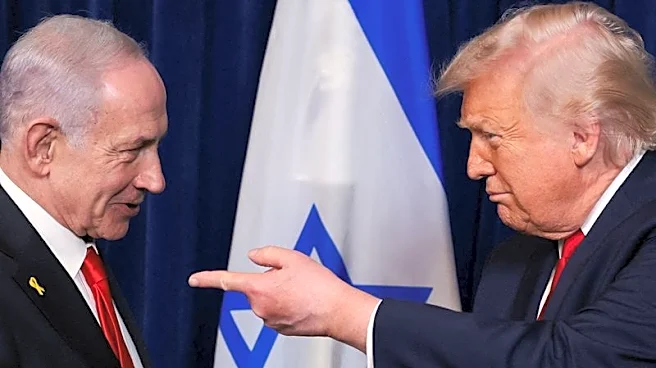
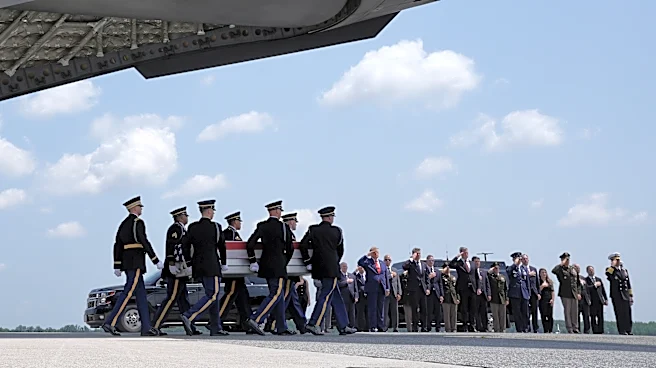
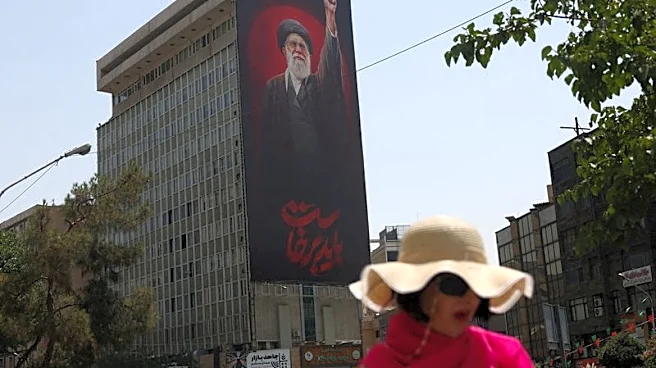
Five months into the U.S.-Israel war against Iran, the conflict remains unresolved, causing widespread dissatisfaction among American voters. The war, initially expected to be brief, has led to significant economic repercussions, including rising fuel
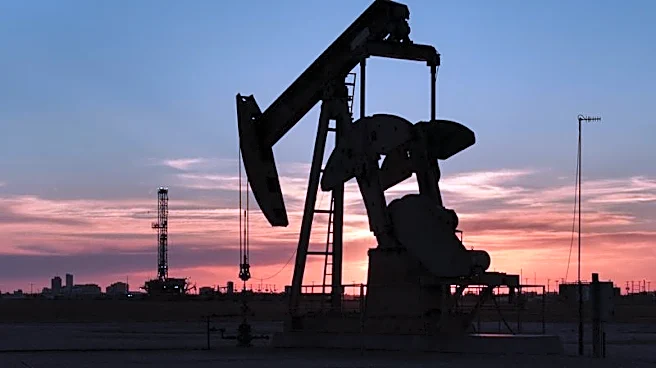
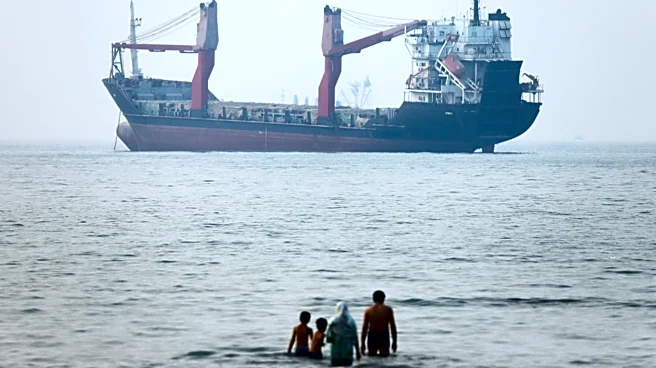
prices and increased deployment of military personnel. The conflict began with the killing of Iran's Supreme Leader, but subsequent ceasefires have failed, and the strategic Strait of Hormuz has been intermittently closed. The war's financial burden is felt across the U.S., with gas prices exceeding $4 per gallon, disproportionately affecting lower-income households. Many Americans, including those in Maine and Wisconsin, express frustration over the allocation of tax dollars to the war effort instead of domestic needs like social services and infrastructure.
Why It's Important?
The ongoing conflict with Iran has significant implications for U.S. domestic policy and public sentiment. The economic strain from rising fuel costs and military expenditures is exacerbating existing social and economic challenges, particularly for lower-income families. The war has sparked a broader debate about the U.S.'s role in foreign conflicts and the military-industrial complex's influence on national priorities. Voters are questioning the justification for the war, especially given President Trump's previous stance against foreign interventions. The situation highlights a growing disconnect between government actions and public expectations, potentially influencing future electoral outcomes and policy decisions.
What's Next?
The future of the U.S.-Iran conflict remains uncertain, with potential ceasefires and diplomatic negotiations still in question. The U.S. government faces pressure to clarify its objectives and exit strategy to avoid a prolonged military engagement. Domestic political leaders may need to address public concerns about the war's economic impact and its alignment with national interests. The situation could lead to increased calls for investment in renewable energy and infrastructure as alternatives to military spending. The outcome of the conflict may also affect U.S. relations with allies and adversaries in the region, shaping future foreign policy directions.