







What's Happening?
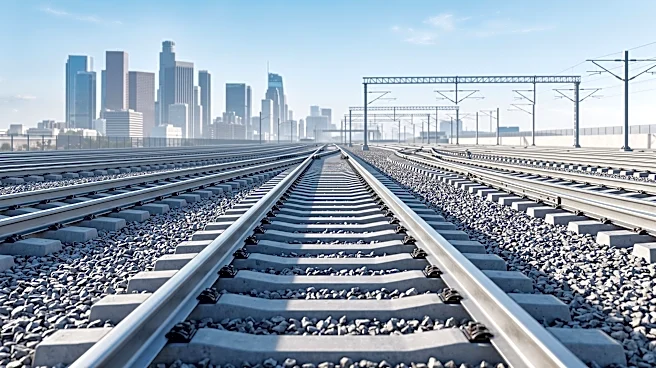
Amtrak and its commuter rail partners have made significant progress in fiscal year 2025 on several rail yard facilities projects along the Northeast Corridor (NEC). These upgrades are designed to improve operations, reduce train delays, and support the introduction
of new trainsets, including Amtrak’s NextGen Acela and Airo trains. Specifically, Amtrak has advanced pre-construction and awarded design-build contracts for four rail yard projects for the forthcoming Airo trains at Southampton Yard in Boston, Sunnyside Yard in New York City, Ivy City Yard in Washington, D.C., and Penn Coach Yard in Philadelphia. Additionally, Amtrak completed yard infrastructure improvements at Ivy City Yard to accommodate the NextGen Acela trainsets and is advancing similar improvements at other yards. Commuter rail partners, such as the Connecticut DOT and MBTA, have also made critical facility investments. The Connecticut DOT completed design and construction work on car and diesel shop rehabilitation for the New Haven Line Yard, while the MBTA advanced construction work on a new heavy maintenance and layover facility at Readville Commuter Rail Yard in Boston. These efforts aim to enhance existing facilities, allow for more efficient rail fleet maintenance, and provide space for spare part storage.
Why It's Important?
These rail yard investments are crucial for the reliability and efficiency of the Northeast Corridor, a vital transportation artery in the U.S. Approximately 20% of total train delay minutes in FY25 were attributed to mechanical issues, highlighting the necessity of replacing aging fleets, maintaining current ones, and building robust infrastructure. By modernizing rail yards and maintenance facilities, NEC partners are directly addressing a significant cause of delays, which impacts millions of passengers. Improved maintenance capabilities and new facilities will ensure that trains remain safe, reliable, and ready for service, supporting the increasing demand for NEC services. The upgrades will also facilitate the seamless integration of new, advanced trainsets like the NextGen Acela and Airo, promising a more modern and comfortable travel experience. This investment not only enhances current service but also prepares the infrastructure for future growth and technological advancements in rail travel, benefiting commuters and intercity travelers across the Northeast.
What's Next?
The ongoing projects are expected to continue through various stages of construction and implementation. With design-build contracts awarded and pre-construction phases underway for several key yards, the focus will shift towards the physical construction and outfitting of these new and upgraded facilities. The completion of these projects will enable the full deployment and efficient maintenance of Amtrak’s NextGen Acela and Airo trainsets, which are designed to offer enhanced speed and passenger amenities. Commuter rail agencies will also continue their efforts to integrate these improved facilities into their operational frameworks, leading to more reliable and punctual service for daily commuters. The long-term goal is to ensure that the Northeast Corridor can meet the growing demand for rail services, with a modernized infrastructure capable of supporting a larger and more advanced fleet of trains. Further investments in rail infrastructure and fleet modernization are anticipated as part of a continuous effort to enhance the NEC's capacity and performance.
Beyond the Headlines
The modernization of rail yards and maintenance facilities represents a broader commitment to sustainable and efficient public transportation in the U.S. By investing in rail infrastructure, the country is moving towards reducing its reliance on less environmentally friendly modes of transport, such as cars and short-haul flights. These improvements can also stimulate local economies by creating construction jobs and supporting related industries. Furthermore, a more reliable and comfortable rail service could encourage a shift in travel habits, potentially alleviating road congestion and reducing carbon emissions. The integration of advanced trainsets and maintenance technologies also positions the U.S. rail system to be more resilient against future challenges, including climate change impacts and increasing passenger volumes. This strategic investment underscores the recognition of rail as a critical component of national infrastructure, essential for economic connectivity and environmental sustainability.