
What's Happening?
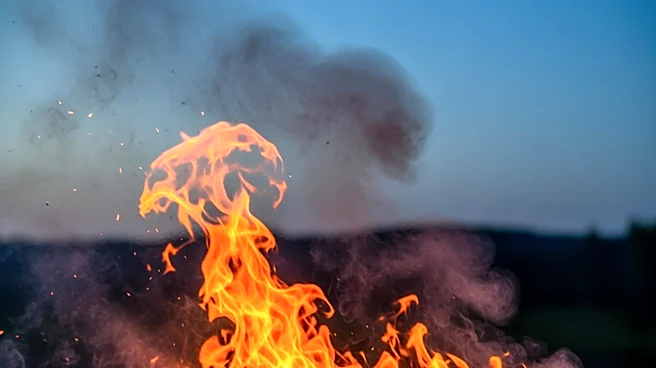
Every year, the celebration of Lag B'Omer in Israel involves the lighting of numerous bonfires, which, while small individually, collectively contribute to a significant environmental hazard. According
to data from the Environmental Protection Ministry, these bonfires result in pollutant concentrations that are markedly higher than on regular days. The pollutants released include carbon monoxide, nitrogen oxides, and fine particles that can penetrate deep into the respiratory system. This open burning, unlike controlled industrial processes, releases smoke and pollutants directly into the air, posing severe health risks. The situation is exacerbated when non-natural materials like painted wood and plastics are burned, releasing additional toxic substances.
Why It's Important?
The environmental and health implications of these bonfires are profound. The pollutants emitted can cause respiratory issues, cardiovascular problems, and other severe health outcomes. Children are particularly vulnerable to these effects. The burning of plastics and other non-natural materials not only pollutes the air but also leaves long-lasting toxins in the environment. This annual event highlights the broader issue of air pollution and its impact on public health and the environment. The situation underscores the need for increased public awareness and changes in celebratory practices to mitigate these effects.
What's Next?
Efforts to reduce the environmental impact of Lag B'Omer celebrations are underway, with suggestions to adopt alternative activities such as lantern walks or social gatherings without fire. The Environmental Protection Ministry and experts recommend reducing the number and size of bonfires and using only approved wood. These measures aim to decrease the emission of hazardous substances and promote sustainability. Public awareness campaigns are crucial in encouraging these changes and protecting both the environment and public health.
Beyond the Headlines
The issue of pollution from Lag B'Omer bonfires reflects a larger challenge of balancing cultural traditions with environmental sustainability. It presents an opportunity to educate the public, especially children, about the importance of environmental stewardship. By choosing alternative ways to celebrate, communities can protect their health and contribute to a broader cultural shift towards sustainability. This event serves as a reminder of the cumulative impact of individual actions on the environment and the importance of collective responsibility.