





What's Happening?
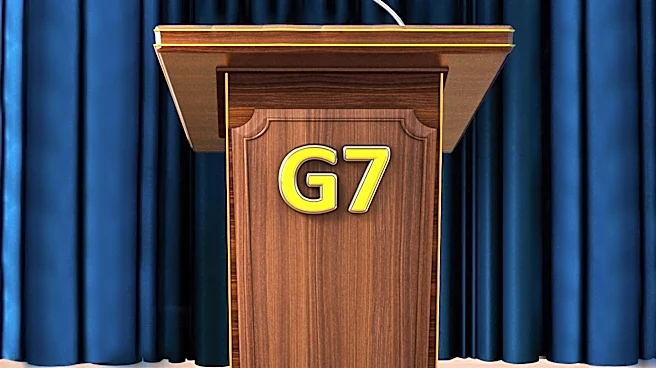
The Group of Seven (G7) foreign ministers' meeting, originally scheduled for November 9-10 in Marseille, France, has been relocated to Paris. This decision was communicated to participants via official correspondence and confirmed by diplomatic sources.
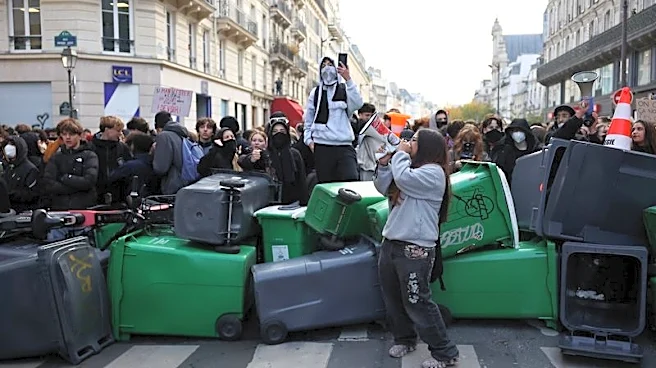
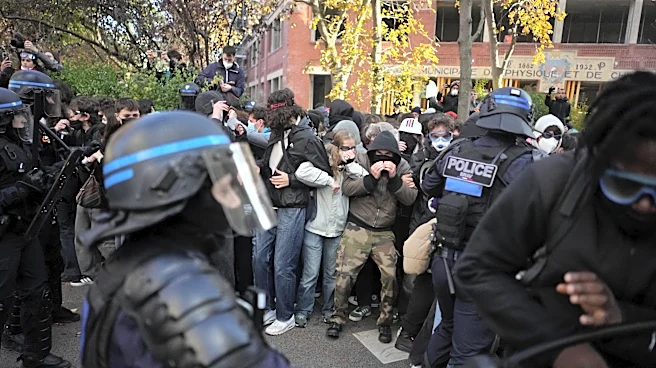
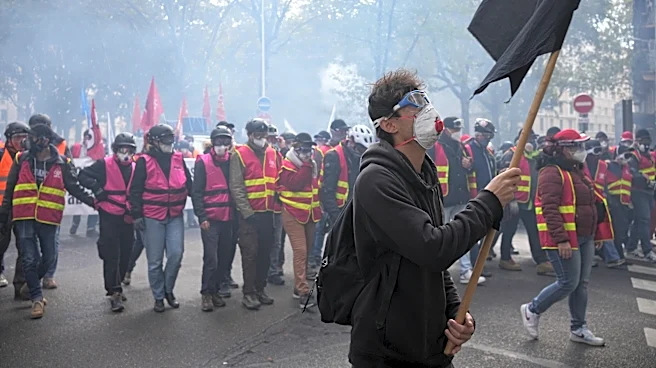
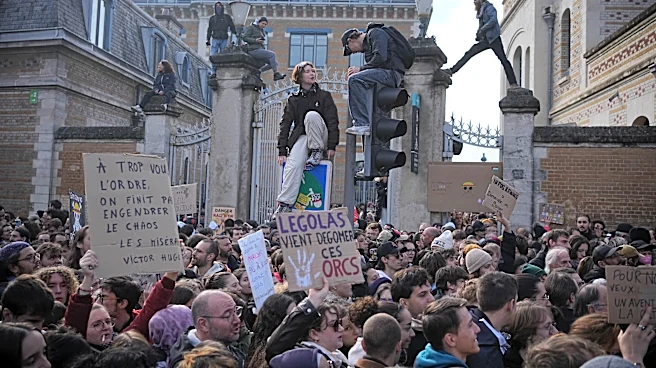
The primary reasons cited for the change are "logistical and operational reasons," specifically the compressed timeframe between the G7 meeting and the Paris Peace Forum. Both events require significant mobilization of human resources, equipment, security, accommodation, and transportation for delegations. Security forces in France have been under strain since September due to ongoing student protests that have expanded into broader demonstrations, with Marseille experiencing significant violence during an October 17 protest. The G7 comprises Canada, France, Germany, Italy, Japan, the United Kingdom, the United States, and the European Union.
Why It's Important?
The last-minute relocation of a high-level international meeting like the G7 foreign ministers' gathering underscores the significant logistical and security challenges faced by host nations. For the United States, a key member of the G7, this change means its diplomatic representatives will need to adjust their plans accordingly. The underlying security concerns, stemming from widespread protests in France, highlight potential instability that could impact international gatherings and diplomatic efforts. Such disruptions can affect the focus and efficiency of discussions on critical global issues, potentially diverting attention from substantive policy matters to logistical adjustments. The incident also reflects broader challenges in managing large-scale international events amidst domestic unrest, which could influence future decisions on host cities and security protocols for similar forums.
What's Next?
The G7 foreign ministers will now convene in Paris on November 9-10 as planned, albeit in a different location. Delegations, including that of the United States, will proceed with their travel and accommodation arrangements in the new host city. The agenda for the meeting, which typically includes discussions on pressing global issues, is expected to remain unchanged. However, the logistical shift may require some immediate adjustments for participating nations. French authorities will likely intensify security measures in Paris to ensure the smooth conduct of both the G7 meeting and the Paris Peace Forum, given the ongoing protest movements. Future international events hosted in France may face increased scrutiny regarding venue selection and security planning.
Beyond the Headlines
The relocation of the G7 meeting subtly highlights the increasing complexity of hosting major international diplomatic events in an era marked by heightened social unrest and security concerns. Beyond the immediate logistical challenges, this situation could prompt a re-evaluation of how host nations assess and mitigate risks associated with large-scale gatherings. It also underscores the interconnectedness of domestic stability and international diplomacy; internal protests can directly impact a nation's ability to facilitate global dialogue. For participating countries, including the U.S., it serves as a reminder of the need for flexible contingency planning in diplomatic engagements. This event may also contribute to broader discussions within international forums about ensuring the safety and operational continuity of critical diplomatic meetings amidst evolving global and domestic landscapes.